Food Ideas for Easter Dinner: Perfect 160° Ham Recipe
Looking for the best food ideas for Easter dinner? You’ve come to the right place! This ham recipe is guaranteed to be a family favorite, offering a juicy, flavorful centerpiece that will impress everyone at your Easter celebration.
Are you tired of dry, bland hams that disappoint on Easter Sunday? Do you want to create a memorable meal that’s both delicious and easy to prepare? This recipe takes the guesswork out of cooking ham, ensuring a moist, perfectly cooked result every time.
Imagine the aroma of sweet, smoky ham filling your kitchen as it roasts to a beautiful golden-brown. Envision slicing into the tender meat, the juices glistening, and the satisfyingly savory-sweet taste that delights your taste buds. The texture should be firm enough to slice, but tender enough to melt in your mouth. The glaze adds a layer of sweetness and visual appeal, making it a show-stopping centerpiece for your Easter table.
This Easter ham recipe isn’t just about incredible flavor; it also offers nutritional benefits. Ham is a good source of protein, essential for building and repairing tissues. Moreover, it provides important minerals like iron, which is crucial for energy production and oxygen transport in the blood. In addition, it contains zinc, important for immune function and wound healing. As a result, incorporating ham into your Easter meal can contribute to a balanced and nutritious diet.
Furthermore, ham provides selenium, an antioxidant that helps protect your cells from damage. Selenium is also important for thyroid function. Did you know that ham also contains B vitamins, including Vitamin B12, which is essential for nerve function and the formation of red blood cells? As a result, this Easter dinner centerpiece is not only delicious but also provides several important nutrients.
What makes this particular ham recipe stand out from the rest? Unlike many recipes that result in dry or unevenly cooked ham, this method focuses on achieving a precise internal temperature of 160°F (71°C) for optimal moisture and flavor. The glaze is carefully balanced to complement the savory ham without being overly sweet, creating a harmonious flavor profile that appeals to all palates. Moreover, this recipe incorporates a simple yet effective basting technique to ensure a consistently moist and flavorful ham from edge to edge. In addition, it is a great option for food ideas for Easter dinner.
This recipe has been a hit with families for generations, consistently delivering rave reviews and empty platters. Even beginner cooks can achieve impressive results with this straightforward method. Its simplicity makes it perfect for busy Easter mornings, allowing you to focus on spending time with loved ones while still serving a show-stopping meal. In conclusion, this ham recipe is a winner for any Easter celebration.
Prep time: 15 minutes | Cook time: 2-3 hours | Servings: 10-12 | Skill level: Beginner | Perfect for: Easter dinner, family gatherings, holiday meals
What is Easter Ham?
Easter ham is a traditional dish served during Easter celebrations, particularly in Western cultures. It typically involves a cured pork leg, which is often smoked or baked. The ham is usually glazed with a sweet or savory coating to enhance its flavor and appearance. As a result, it serves as a centerpiece for the Easter meal, symbolizing abundance and celebration.
Why You Will Love This Recipe
- Guaranteed juicy and flavorful ham every time.
- Simple, easy-to-follow instructions perfect for beginners.
- Balanced glaze that complements the savory ham without being overly sweet.
- Impress your family and friends with a show-stopping Easter centerpiece.
- Minimal effort for maximum flavor, freeing you up to enjoy the holiday.
Ingredients You Need
- Bone-in, fully cooked ham (7-10 lbs): Provides the best flavor and moisture.
- Brown sugar: Adds sweetness and helps create a beautiful glaze.
- Dijon mustard: Provides a tangy counterpoint to the sweetness.
- Apple cider vinegar: Adds acidity and helps tenderize the ham.
- Honey: Contributes to the glaze’s shine and flavor complexity.
- Ground cloves: Adds a warm, aromatic spice note.
How to Make Easter Ham Step by Step
- Preheat your oven to 325°F (160°C). Remove the ham from its packaging and place it in a roasting pan. Add 1 cup of water to the bottom of the pan to create steam.
- Score the ham in a diamond pattern, making shallow cuts about 1/4 inch deep. This helps the glaze penetrate the meat and creates a visually appealing presentation.
- In a saucepan, combine brown sugar, Dijon mustard, apple cider vinegar, honey, and ground cloves. Heat over medium heat, stirring until the sugar is dissolved and the mixture is smooth. Simmer for 5 minutes to allow the flavors to meld.
- Pour half of the glaze over the ham, ensuring it covers the entire surface. Reserve the remaining glaze for basting.
- Cover the ham with foil and bake for 2-2.5 hours, or until the internal temperature reaches 140°F (60°C). Baste the ham with the reserved glaze every 30 minutes during the last hour of cooking.
Pro Tip: Use a meat thermometer to ensure accurate temperature readings. The most accurate place to insert the thermometer is into the thickest part of the ham, avoiding the bone.
- Remove the foil and continue baking for another 15-20 minutes, or until the internal temperature reaches 160°F (71°C). The glaze should be nicely caramelized and the ham should be a deep golden-brown color.
- Remove the ham from the oven and let it rest for 10-15 minutes before carving. This allows the juices to redistribute, resulting in a more tender and flavorful ham.
Expert Tips for Best Results
- Use a bone-in ham for the best flavor and moisture.
- Don’t overcook the ham! Aim for an internal temperature of 160°F (71°C).
- Score the ham in a diamond pattern to help the glaze penetrate the meat.
- Baste the ham regularly with the glaze to keep it moist and flavorful.
- Let the ham rest for 10-15 minutes before carving to allow the juices to redistribute.
- Use a sharp carving knife to slice the ham thinly and evenly.
- If the glaze starts to brown too quickly, tent the ham with foil.
Variations and Substitutions
- Honey-Glazed Ham: Substitute maple syrup for the brown sugar and increase the honey to 1/2 cup for a richer, sweeter glaze.
- Pineapple-Glazed Ham: Add crushed pineapple to the glaze for a tropical twist.
- Spicy Ham: Add a pinch of cayenne pepper or a dash of hot sauce to the glaze for a little heat.
- Gluten-Free Ham: Ensure all ingredients, especially the Dijon mustard, are certified gluten-free.
How to Serve and Store
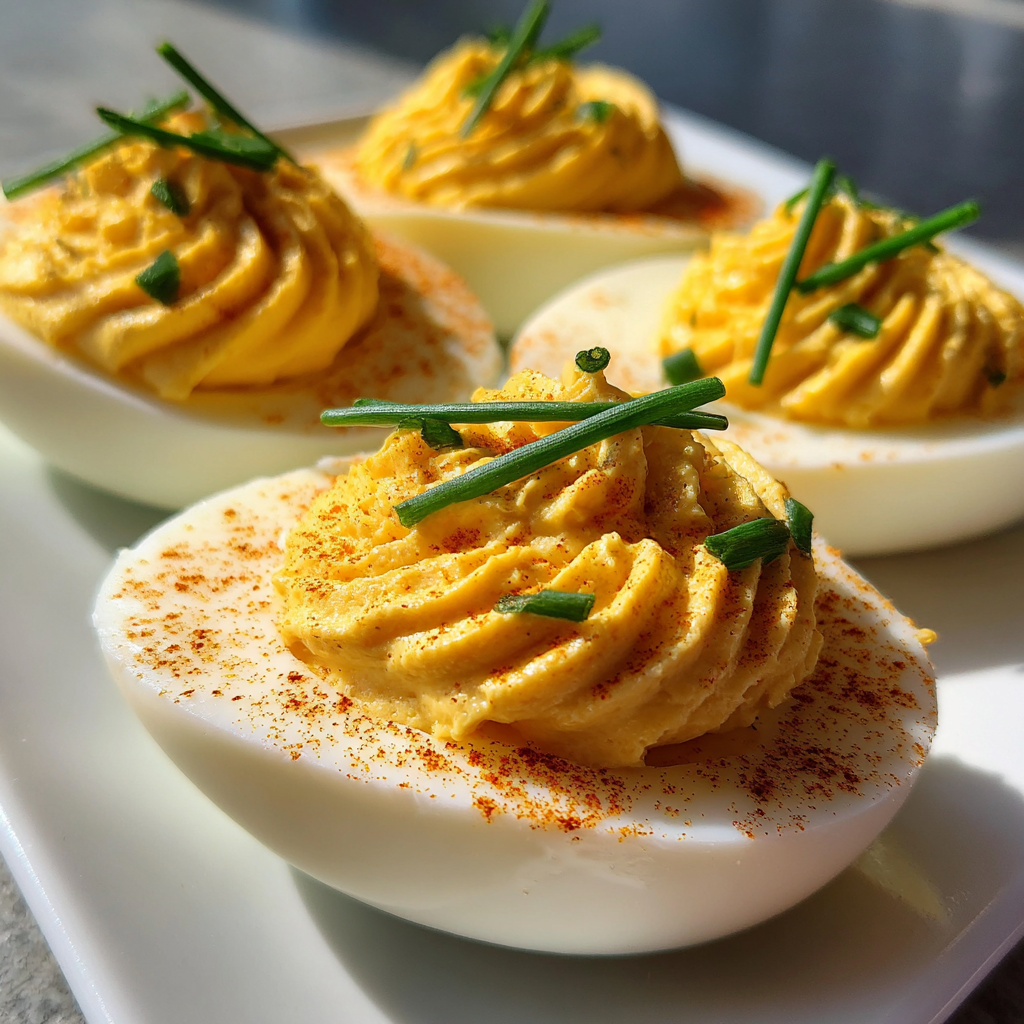
Serve your Easter ham warm, thinly sliced, and arranged on a platter. Garnish with fresh herbs like parsley or rosemary for an elegant presentation. Pair it with classic Easter sides such as scalloped potatoes, green bean casserole, and deviled eggs.
Storage: Store leftover ham in an airtight container in the refrigerator for up to 5 days.
Freezing: Yes, you can freeze cooked ham. Wrap it tightly in plastic wrap and then in foil, or place it in a freezer-safe bag. It can be frozen for up to 2 months.
Reheating: The best way to reheat ham is to bake it in a preheated oven at 325°F (160°C) until warmed through. You can also microwave individual slices for a quick and easy meal.
Frequently Asked Questions
Can I use a boneless ham for this recipe?
Yes, you can use a boneless ham. However, bone-in hams tend to be more flavorful and moist. Reduce the cooking time slightly to prevent overcooking.
How do I prevent the ham from drying out?
To prevent the ham from drying out, make sure to baste it regularly with the glaze and avoid overcooking it. Using a meat thermometer is crucial.
Can I prepare the glaze ahead of time?
Yes, you can prepare the glaze ahead of time and store it in the refrigerator for up to 3 days. Reheat it gently before using.
What if I don’t have apple cider vinegar?
If you don’t have apple cider vinegar, you can substitute it with white vinegar or lemon juice. Use the same amount as the recipe calls for.
How long should I let the ham rest before carving?
Let the ham rest for 10-15 minutes before carving. This allows the juices to redistribute, resulting in a more tender and flavorful ham.
Can I freeze leftover ham?
Yes, you can freeze leftover ham. Wrap it tightly in plastic wrap and then in foil, or place it in a freezer-safe bag. It can be frozen for up to 2 months.
This food ideas for Easter dinner recipe is a surefire way to impress your guests and create a memorable holiday meal. The juicy, flavorful ham and the perfectly balanced glaze are guaranteed to be a hit. Try this recipe today and leave a comment below!
Print