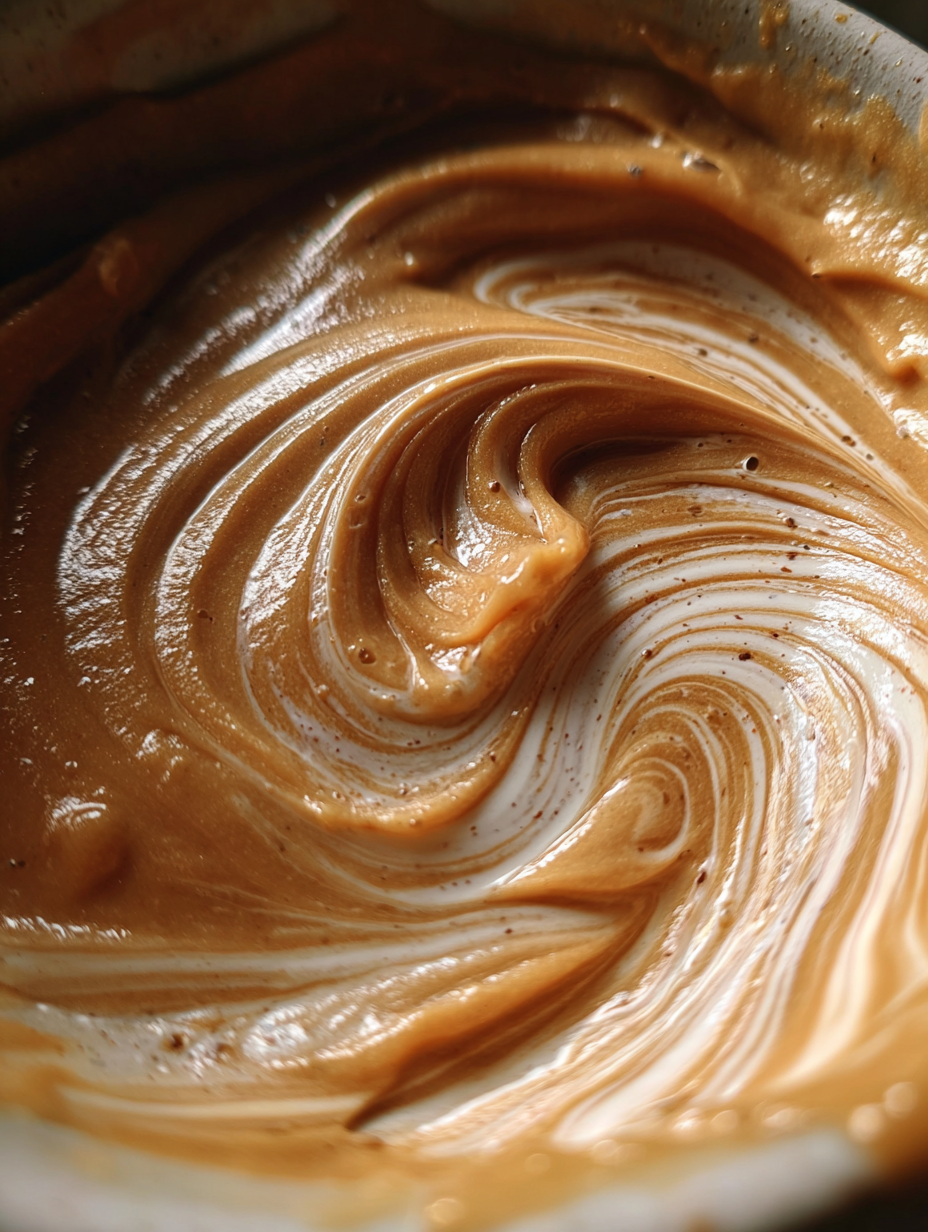
Do you want to learn how to make a roux? This essential cooking technique is the cornerstone of many classic sauces and dishes. In this guide, we will explore how to make a roux, the perfect base for creamy sauces and soups.
This recipe is not just a simple cooking method; it is the foundation for countless delicious meals. Mastering how to make a roux will elevate your cooking and impress your family and friends. With just two ingredients, you can create a versatile thickening agent that enhances flavor and texture.
The key benefit of making a roux is the control it gives you over your sauces. You can achieve a variety of flavors and consistencies by adjusting the cooking time and the ratio of flour to fat. Plus, homemade roux is free from preservatives, making it a healthier choice.
Why Make how to make a roux?
Making how to make a roux is a skill every home cook should master.
- Versatile Base: A roux can be the base for sauces such as béchamel, gravy, and gumbo, making it incredibly versatile.
- Flavor Development: Cooking the flour and fat together develops rich flavors that enhance your dishes.
- Customizable Texture: By adjusting the cooking time, you can create a light or dark roux, affecting the final dish’s texture.
- Healthier Option: Making your roux allows you to avoid additives and preservatives found in store-bought options.
History and Origin of how to make a roux
The history of how to make a roux dates back centuries to French cuisine, where it was first used as a thickening agent. It has since become a staple in various culinary traditions worldwide.
Roux gained popularity in the United States, especially in Cajun and Creole cooking, where it is a fundamental component of dishes like gumbo. Home cooks enjoy making it because of its simplicity and the depth of flavor it adds to meals.
Ingredients for how to make a roux
To make how to make a roux, you’ll need just a few simple ingredients.
- 1/2 cup all-purpose flour
- 1/2 cup unsalted butter
- 1/2 cup vegetable oil (optional)
- Salt to taste
- Pepper to taste
- Optional herbs or spices
According to experts at Healthline, these ingredients provide valuable nutritional value.
How to Choose the Best Ingredients
Selecting quality ingredients is essential for making how to make a roux.
- Choose Fresh Flour: Use fresh, unexpired all-purpose flour for the best results.
- Opt for Unsalted Butter: Unsalted butter allows you to control the saltiness of your sauce.
- Consider Oil Options: If you’re looking for a lighter roux, you can substitute some butter with vegetable oil.
How to Make how to make a roux Step by Step
Follow these simple steps to master how to make a roux.
- In a medium saucepan, melt the butter over medium heat.
- Once melted, add the flour and whisk continuously to combine.
- Cook for about 2 to 3 minutes until the mixture is bubbly and slightly golden.
- For a darker roux, continue cooking for an additional 5 to 10 minutes, stirring constantly.
- Add salt and pepper to taste, along with any optional herbs or spices.
- Remove from heat and allow to cool slightly before using in your recipe.
- Store any unused roux in an airtight container in the refrigerator for up to a month.
- Use your roux immediately in sauces, soups, or gravies for the best results.
Check out our full collection of recipes.
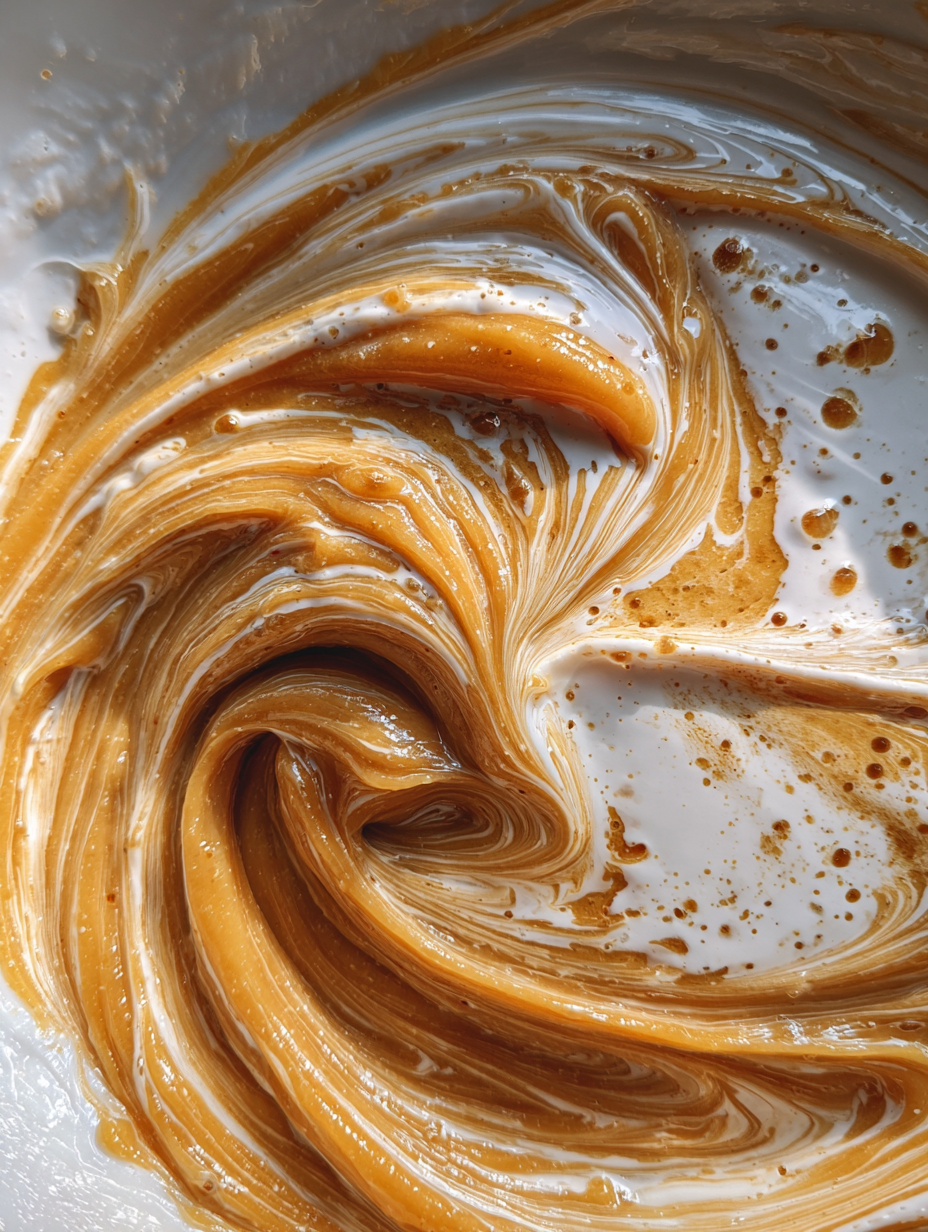
Tips and Tricks for the Best how to make a roux
Perfecting your roux can elevate your cooking to a new level.
- Use Equal Parts: Stick to equal parts flour and fat for a balanced roux. This helps achieve the desired consistency without clumping.
- Choose the Right Fat: Butter, oil, or lard can all work well. Each fat adds a unique flavor to the finished roux.
- Monitor Heat Carefully: Keep the heat low and steady to avoid burning. A burnt roux will impart a bitter taste to your dishes.
- Whisk Constantly: Continuous stirring prevents sticking and burning. This ensures a smooth and even roux every time.
- Know Your Colors: Light, medium, and dark roux serve different purposes. A lighter roux thickens sauces, while a darker roux adds depth to gumbo and stews.
Variations and Serving Ideas
You can experiment with different types of flour for unique flavors. Whole wheat flour adds a nuttier taste, while gluten-free options cater to dietary restrictions.
Combine your roux with various stocks or broths. Chicken stock enhances flavor in gravies, while vegetable stock works well for lighter dishes.
Use your roux as a base for creamy sauces. Bechamel, cheese sauce, and even gravies can benefit from a well-made roux.
Seasonal Variations
In spring and summer, use fresh herbs to brighten your roux. Basil or parsley can add a refreshing twist to your dishes.
During autumn, incorporate spices like nutmeg or sage. These flavors complement hearty dishes and warm up your meals.
In winter, try adding a touch of smoked paprika. This gives your roux a warm, comforting flavor perfect for chilly days.
Making It for Kids and Family
Kids love the creamy, comforting dishes that a roux can create. Macaroni and cheese or chicken pot pie are family favorites.
To adapt the recipes, consider using low-sodium broth and whole grain pasta. This keeps meals healthy while still being delicious.
Storage and Reheating
Store leftover roux in an airtight container in the refrigerator. It can last up to a week and still be used for future recipes.
To reheat, gently warm the roux over low heat, stirring frequently. This preserves its texture and flavor for your next dish.
Nutrition Facts (per serving)
- Calories: 100 kcal
- Protein: 2g
- Carbohydrates: 10g
- Fat: 6g
- Fiber: 0g
- Sugar: 0g
- Sodium: 0mg
Frequently Asked Questions About how to make a roux
What is the best way to learn how to make a roux?
The best way to learn is through practice. Start with small batches to get comfortable with the process.
Can I use cornstarch instead of flour when learning how to make a roux?
No, cornstarch acts differently than flour. A traditional roux relies on flour for its thickening properties.
How long does it take to cook a roux?
Cooking a roux typically takes 5 to 15 minutes, depending on the desired color and flavor intensity.
What dishes benefit from knowing how to make a roux?
Many dishes like gumbo, gravies, and creamy sauces benefit greatly from a good roux.
Can I freeze roux for later use?
Yes, you can freeze roux. Store it in an airtight container for up to three months.
Conclusion
Understanding how to make a roux is essential for many delicious recipes. It adds depth and flavor to sauces and dishes alike. Now that you know how to make a roux, don’t hesitate to experiment in your kitchen!
See also our other recipes.
Print
how to make a roux: the perfect base for your sauces and soups
- Total Time: 15
- Yield: 4 servings 1x
Description
A roux is a fundamental cooking technique that serves as a versatile base for many sauces and soups, enhancing flavor and texture in your dishes.
Ingredients
- 1 cup flour
- 1 cup fat (butter, oil, or lard)
Instructions
- In a saucepan, melt the fat over low heat.
- Add equal parts flour to the melted fat and whisk continuously until the mixture is smooth and reaches the desired color.
Notes
- Monitor heat carefully to avoid burning the roux.
- Prep Time: 5
- Cook Time: 10
- Category: recipes
- Method: cooking
- Cuisine: French
Nutrition
- Serving Size: 1 serving (30g)
- Calories: 100
- Sugar: 0
- Sodium: 0
- Fat: 5
- Saturated Fat: 3
- Unsaturated Fat: 2
- Trans Fat: 0
- Carbohydrates: 12
- Fiber: 0
- Protein: 2
- Cholesterol: 10
Keywords: roux, sauce base, cooking technique, thickening agent, culinary skill