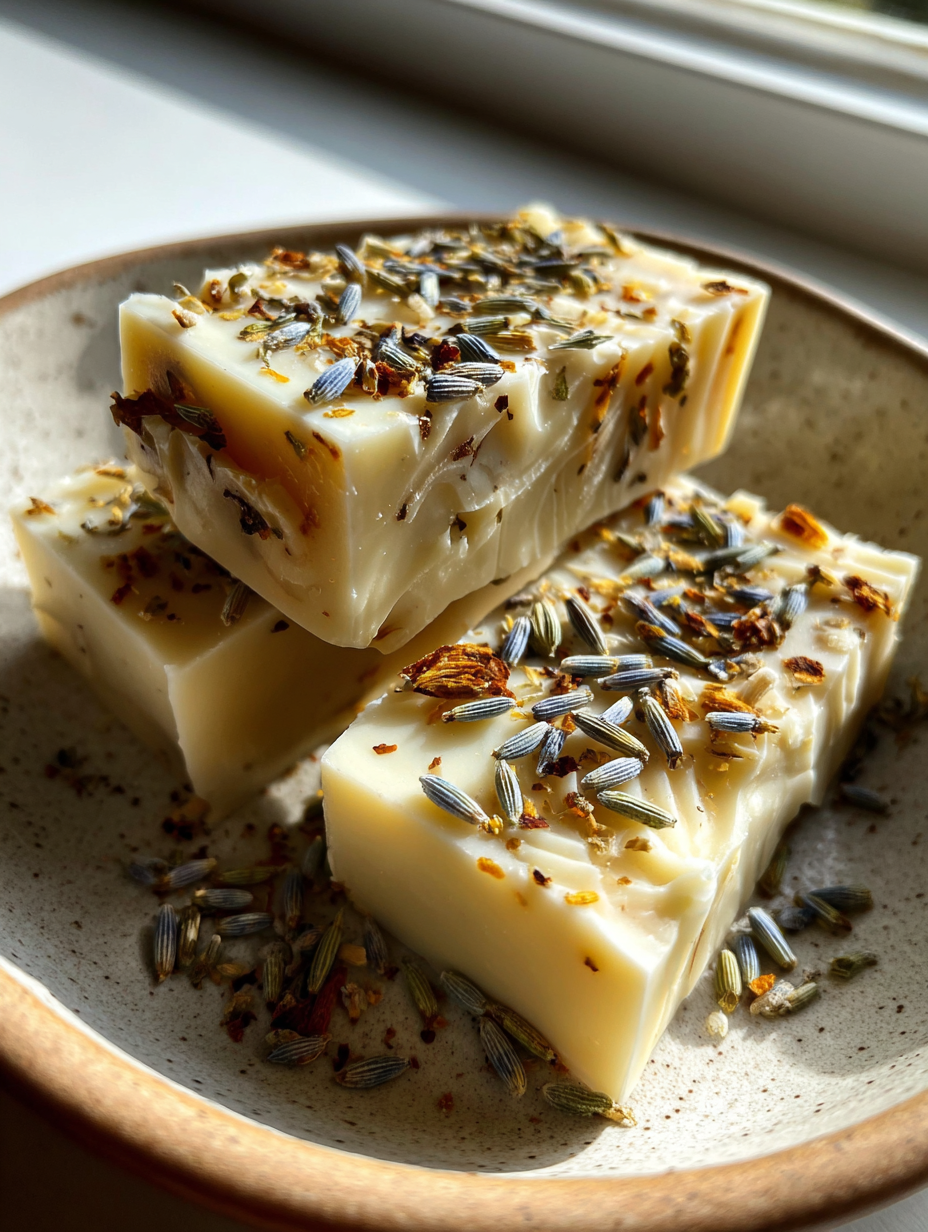
Are you curious about how to make homemade soap? Making your own soap at home is not only a rewarding process but also allows you to customize it to your preferences. In this guide, we will cover everything you need to know about how to make homemade soap.
This recipe is perfect for beginners who want to explore the art of soap making without feeling overwhelmed. With simple ingredients and clear instructions, anyone can succeed in crafting their own soap. Plus, it’s a fun and creative way to spend your time.
One key benefit of this recipe is that you can control the ingredients, ensuring that your soap is free from harsh chemicals and tailored to your skin’s needs. Additionally, homemade soap makes for unique gifts that your friends and family will appreciate.
Why Make how to make homemade soap?
Making your own soap is a fulfilling experience.
- Customizable Scents: You can choose your favorite essential oils to create unique fragrances.
- Skin Benefits: Use natural ingredients that are gentle and nourishing for your skin.
- Cost-Effective: Homemade soap can save you money in the long run compared to store-bought options.
- Creative Outlet: Soap making allows for artistic expression and experimentation with colors and shapes.
History and Origin of how to make homemade soap
The history of soap making dates back to ancient civilizations, with evidence of soap-like materials found in Babylonian texts from 2800 B.C. Over the centuries, various cultures developed their own methods and recipes, leading to the diverse soap-making techniques we have today.
In recent years, the popularity of homemade soap has surged, partly due to the rise in awareness about natural ingredients and sustainability. Many people now prefer to make their own soap as a healthier alternative to commercial products.
People love making soap at home because it allows for creativity and personalization, transforming a simple task into a delightful hobby.
Ingredients for how to make homemade soap
To get started with how to make homemade soap, you’ll need a few basic ingredients.
- 16 ounces of olive oil
- 16 ounces of coconut oil
- 16 ounces of palm oil
- 6.8 ounces of lye
- 12 ounces of distilled water
- Essential oils for fragrance (optional)
According to experts at Healthline, these ingredients provide valuable nutritional value.
How to Choose the Best Ingredients
Selecting quality ingredients is crucial for successful soap making.
- Quality Oils: Opt for high-quality oils, as they impact the soap’s texture and lather.
- Pure Lye: Always use pure sodium hydroxide, as impurities can affect the saponification process.
- Fresh Essential Oils: Choose fresh and pure essential oils for the best scent and benefits.
How to Make how to make homemade soap Step by Step
Follow these steps to master how to make homemade soap.
- Prepare your work area and gather all ingredients.
- Measure out the lye and distilled water carefully.
- Slowly add the lye to the water, stirring until dissolved.
- In a separate pot, melt the coconut oil and mix in the olive and palm oils.
- Allow both mixtures to cool to around 100-110°F.
- Combine the lye solution with the oils, stirring steadily.
- Blend the mixture until it reaches trace.
- Add essential oils and pour the mixture into molds.
Check out our full collection of recipes.
Tips and Tricks for the Best how to make homemade soap
Creating the perfect homemade soap requires attention to detail and some helpful tips.
- Use a digital scale: Accurate measurements are crucial in soap making. A digital scale helps you get precise amounts for each ingredient.
- Choose quality oils: The type of oils you use will affect the soap’s texture and lather. High-quality oils yield a superior soap product.
- Test your pH: Ensuring your soap is at the right pH level is essential for skin safety. Use pH strips to confirm your soap is skin-friendly.
- Keep a clean workspace: A tidy area minimizes contamination risks. Always sanitize your tools and surfaces before starting.
- Experiment with scents: Adding essential oils can enhance your soap’s fragrance. Try various combinations to create unique scents.
Variations and Serving Ideas
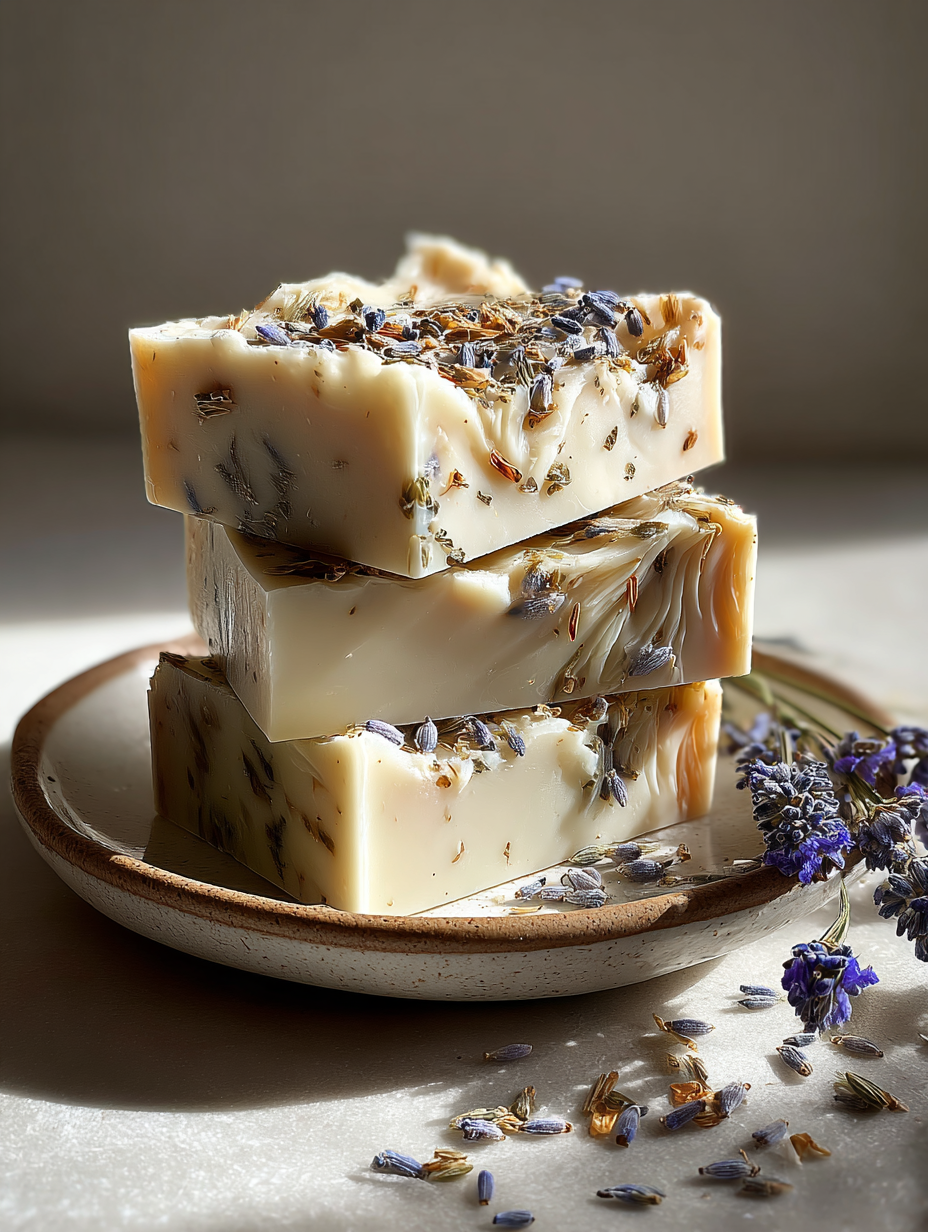
One variation of homemade soap is adding dried flowers like lavender or chamomile for a natural aesthetic. You can also incorporate exfoliants, such as oatmeal or coffee grounds, to enhance the texture of the soap.
For a seasonal touch, consider adding peppermint essential oil and green coloring for a festive holiday soap. Another idea is to create a layered soap using different colors and scents for a visually appealing effect.
For a more luxurious feel, try infusing your oils with herbs before making the soap. This can add both fragrance and therapeutic benefits.
Seasonal Variations
In spring and summer, use citrus scents like lemon or orange to create refreshing soaps. Floral scents like rose or jasmine can also add a lovely touch for warmer months.
During autumn, incorporate pumpkin spice or cinnamon scents to evoke the season’s warmth. Adding autumnal colors can enhance the visual appeal of the soap.
In winter, consider scents like vanilla or cedarwood for a cozy vibe. You can also add a hint of peppermint for a refreshing twist during the cold months.
Making It for Kids and Family
Kids love engaging in creative projects, and making soap is a fun activity for the whole family. The bright colors and interesting shapes often capture their attention.
To adapt the process for children, consider using melt-and-pour soap bases. This method is simpler and safer, allowing kids to focus on creativity without handling lye.
Storage and Reheating
Store your homemade soap in a cool, dry place to maintain its quality. Wrapping it in wax paper can help prevent moisture loss and keep it fresh longer.
Reheating soap is usually not necessary, but if you need to remelt it, do so gently in a double boiler. Avoid boiling it to prevent damaging the soap’s texture.
Nutrition Facts (per serving)
- Calories: 0 kcal
- Protein: 0g
- Carbohydrates: 0g
- Fat: 0g
- Fiber: 0g
- Sugar: 0g
- Sodium: 0mg
Frequently Asked Questions About how to make homemade soap
What is the best method for how to make homemade soap?
The cold process method is popular for making homemade soap. It allows for full customization of ingredients and scents.
Can I use any oils for how to make homemade soap?
Not all oils are suitable for soap making. Choose oils that are known for their properties in soap, like olive oil, coconut oil, and palm oil.
How long does homemade soap need to cure?
Homemade soap typically needs to cure for about four to six weeks. This allows the saponification process to complete properly.
Is it safe to make soap at home?
Yes, making soap at home is safe when proper precautions are followed. Always wear gloves and goggles when handling lye.
Can I customize the scent of my homemade soap?
Absolutely! You can customize your soap with various essential oils to create your desired fragrance.
Conclusion
Learning how to make homemade soap is a rewarding and enjoyable process. With the right ingredients and techniques, you can create unique soaps tailored to your preferences. So gather your supplies and start exploring how to make homemade soap today!
See also our other recipes.
Print
how to make homemade soap: the perfect guide for beginners
- Total Time: 90
- Yield: 10 servings 1x
Description
Making your own soap at home is a rewarding process that allows for customization and creativity. This guide is perfect for beginners eager to explore the art of soap making with simple ingredients and clear instructions.
Ingredients
- 1 cup lye
- 2 cups water
- 4 cups olive oil
- 1 cup coconut oil
- essential oils for fragrance
Instructions
- Step 1: Measure the lye and water accurately, then mix them together in a well-ventilated area, allowing it to cool.
- Step 2: In a separate container, heat the oils until they reach the right temperature, then combine with the lye mixture.
Notes
- Use high-quality ingredients for the best results.
- Prep Time: 30
- Cook Time: 60
- Category: recipes
- Method: cold process
- Cuisine: homemade
Nutrition
- Serving Size: 1 serving (100g)
- Calories: 50
- Sugar: 0
- Sodium: 0
- Fat: 5
- Saturated Fat: 1
- Unsaturated Fat: 4
- Trans Fat: 0
- Carbohydrates: 0
- Fiber: 0
- Protein: 0
- Cholesterol: 0
Keywords: soap making, homemade soap, DIY soap, natural soap, beginner soap recipe