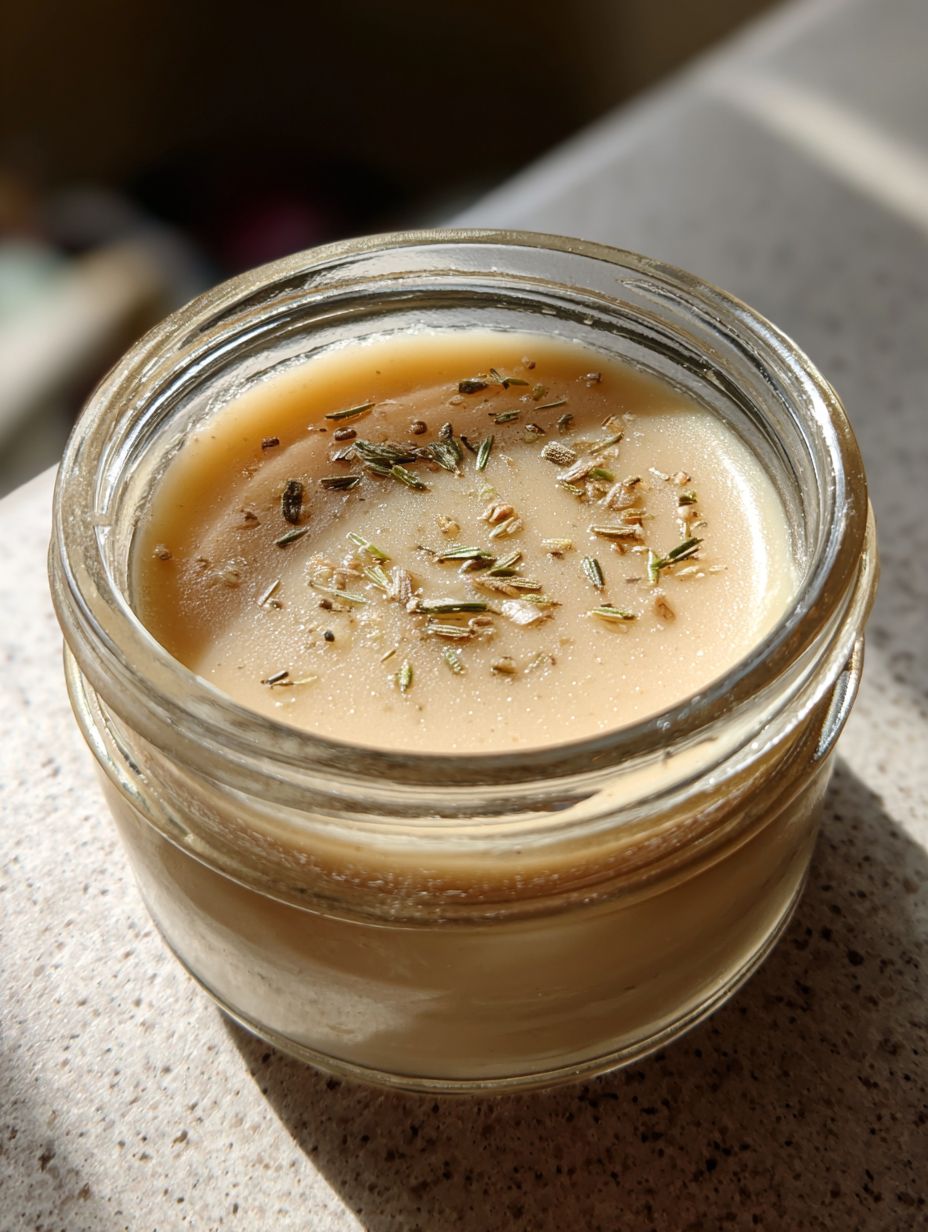
If you’ve ever wondered how to make natural deodorant at home, you’re in the right place. This guide will show you just how to make natural deodorant that is effective, safe, and easy to make.
This recipe is perfect for those seeking a healthier alternative to commercial deodorants. With just a few natural ingredients, you can create a product that works just as well, if not better, than store-bought options.
One key benefit of this recipe is that it eliminates harmful chemicals often found in conventional deodorants. By using natural ingredients, you can avoid skin irritations and enjoy peace of mind knowing what you’re putting on your body.
Why Make how to make natural deodorant?
Making how to make natural deodorant is a rewarding experience.
- Natural Ingredients: You can choose ingredients that suit your skin type.
- Cost-Effective: Homemade deodorant is often cheaper than store-bought options.
- Customizable Scents: You can personalize your deodorant with your favorite essential oils.
- Eco-Friendly: Reduce waste by using reusable containers instead of disposable packaging.
History and Origin of how to make natural deodorant
The concept of deodorants dates back to ancient civilizations, where various natural substances were used to mask body odor. In recent years, the shift towards natural products has gained momentum, leading to a rise in DIY recipes.
With increased awareness of chemicals in personal care products, more people are turning to how to make natural deodorant at home. This trend is driven by a desire for healthier living and sustainability.
Many enjoy making it at home because it allows for full control over the ingredients used, ensuring they are safe and effective.
Ingredients for how to make natural deodorant
You’ll need a few simple ingredients to get started on how to make natural deodorant.
- 1/4 cup coconut oil
- 1/4 cup baking soda
- 1/4 cup cornstarch
- 10-15 drops essential oil (such as lavender or tea tree)
- 1 tablespoon shea butter (optional)
- 1 tablespoon beeswax (optional)
According to experts at Healthline, these ingredients provide valuable nutritional value.
How to Choose the Best Ingredients
Selecting high-quality ingredients is key to successful natural deodorant.
- Coconut Oil: Opt for organic, cold-pressed coconut oil for the best results.
- Baking Soda: Choose aluminum-free baking soda to avoid potential skin irritations.
- Essential Oils: Use pure, therapeutic-grade essential oils for maximum effectiveness and fragrance.
How to Make how to make natural deodorant Step by Step
Follow these simple steps to learn how to make natural deodorant.
- Melt the coconut oil and shea butter together in a double boiler over low heat.
- Once melted, remove from heat and stir in the baking soda and cornstarch.
- Add your chosen essential oils and mix well.
- Pour the mixture into a clean, empty deodorant container or a glass jar.
- Let it cool and solidify for a few hours at room temperature.
- Once solid, your natural deodorant is ready to use!
- Apply a small amount to your underarms as needed.
- Store in a cool, dry place to maintain its consistency.
Check out our full collection of recipes.
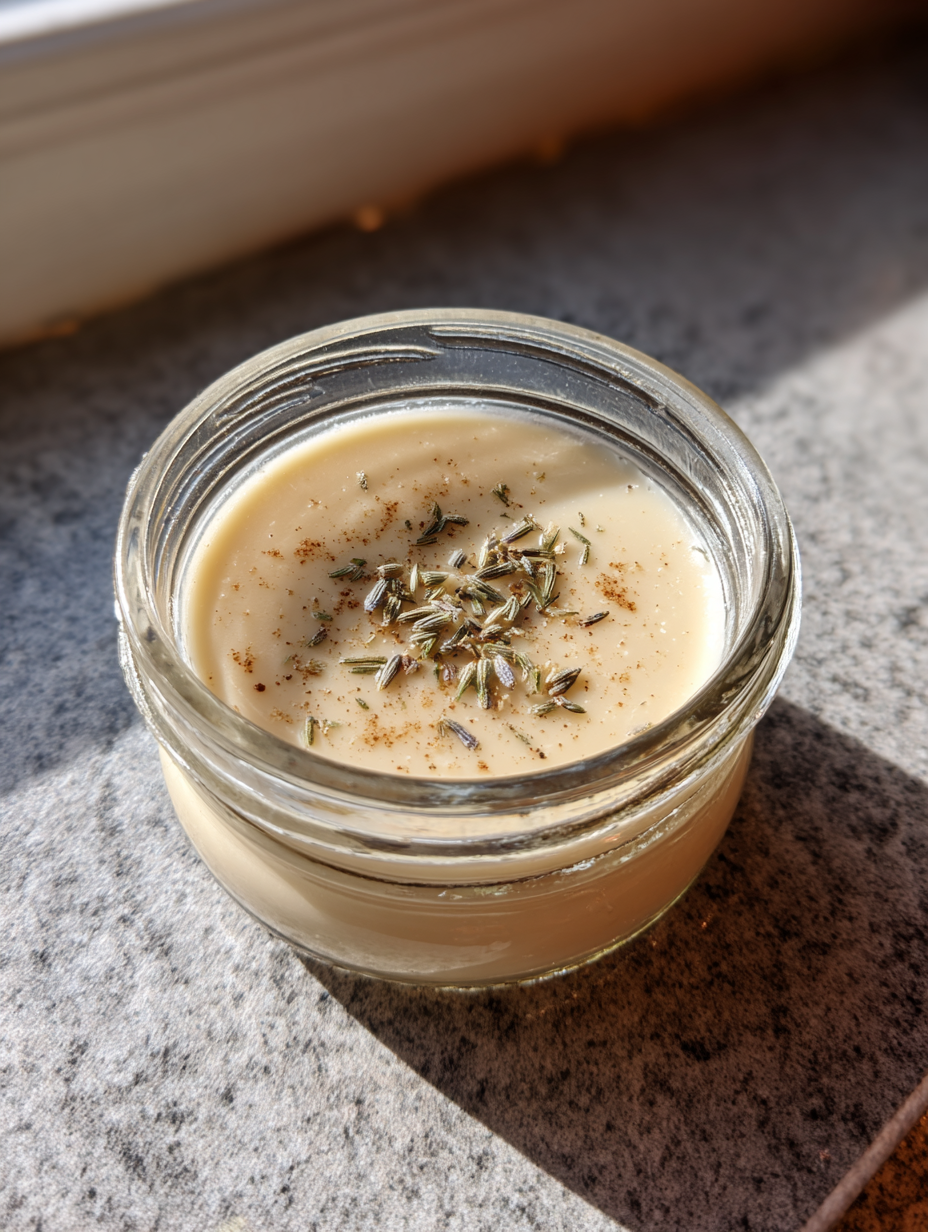
Tips and Tricks for the Best how to make natural deodorant
Creating the perfect natural deodorant requires attention to detail.
- Choose the Right Carrier Oil: Coconut oil is a popular choice for its moisturizing properties. However, you can also use jojoba or almond oil for different skin types.
- Experiment with Essential Oils: Using essential oils can enhance the scent of your deodorant. Try lavender, tea tree, or eucalyptus for their antibacterial properties.
- Adjust Texture as Needed: If your deodorant is too hard, add a bit more oil. Conversely, if it’s too soft, increase the amount of baking soda or arrowroot powder.
- Patch Test: Always do a patch test on your skin before using a new deodorant. This helps to avoid any allergic reactions or irritations.
- Store in a Cool Place: Natural deodorants can melt in high temperatures. Store your deodorant in a cool, dry place to maintain its consistency.
Variations and Serving Ideas
For a citrusy twist, add lemon or grapefruit essential oils to your mixture. This not only freshens the scent but also provides additional antibacterial properties.
If you prefer a creamier consistency, consider incorporating shea butter into your recipe. It enhances the moisturizing benefits while maintaining a pleasant texture.
For a more robust scent, blend different essential oils together. Combining vanilla with sandalwood can create a warm, inviting aroma.
Seasonal Variations
In spring and summer, try adding fresh floral scents like rose or jasmine. These scents can uplift your mood and keep you feeling fresh.
As autumn approaches, consider warm spices like cinnamon or clove. These fragrances not only smell festive but also have natural antibacterial properties.
For winter, try scents like cedarwood or peppermint. These can offer a refreshing, crisp aroma that combats the dreariness of colder months.
Making It for Kids and Family
Kids often enjoy the fun scents and the creative process of making their deodorant. Involve them in choosing their favorite essential oils for a personalized touch.
To adapt the recipe for sensitive skin, use less baking soda and more coconut oil. This helps to ensure it’s gentle enough for younger users.
Storage and Reheating
Store your natural deodorant in an airtight container to maintain its freshness. A glass jar works well for easy access and preservation.
If your deodorant hardens, you can gently warm it in your hands before application. For a quick fix, a few seconds in the microwave (in a safe container) can soften it.
Nutrition Facts (per serving)
- Calories: 45 kcal
- Protein: 0g
- Carbohydrates: 1g
- Fat: 5g
- Fiber: 0g
- Sugar: 0g
- Sodium: 2mg
Frequently Asked Questions About how to make natural deodorant
What are the benefits of how to make natural deodorant?
Making your own natural deodorant allows you to avoid harmful chemicals and customize the scent. It’s eco-friendly and can be cost-effective too.
Can I use baking soda in how to make natural deodorant?
Yes, baking soda is a common ingredient that helps neutralize odors. Just be cautious, as it may irritate sensitive skin.
How long does homemade natural deodorant last?
Typically, homemade natural deodorant can last up to three months when stored properly. Keep it in a cool, dry place.
Is how to make natural deodorant safe for sensitive skin?
Yes, many natural deodorant recipes can be tailored for sensitive skin. Use less baking soda and more moisturizing ingredients like coconut oil.
What essential oils work best in how to make natural deodorant?
Essential oils like lavender, tea tree, and peppermint offer great scents and antibacterial properties. Choose your favorites for a personal touch.
Conclusion
Now that you know how to make natural deodorant, you can enjoy a fresh and eco-friendly alternative to store-bought options. Embrace the creativity of customizing your deodorant to suit your preferences. Start your journey today on how to make natural deodorant!
See also our other recipes.
Print
how to make natural deodorant: the easy homemade solution
- Total Time: 10
- Yield: 1 serving 1x
Description
This easy homemade natural deodorant recipe allows you to create an effective and safe alternative to commercial products using simple, natural ingredients. Customize it with your favorite essential oils for a personal touch.
Ingredients
- 1/4 cup coconut oil
- 1/4 cup baking soda
- 1/4 cup arrowroot powder
- 10–15 drops essential oil
Instructions
- In a mixing bowl, combine the coconut oil, baking soda, and arrowroot powder until smooth.
- Add your chosen essential oils and mix well. Adjust the texture if necessary by adding more oil or powder.
- Transfer the mixture to a clean container and store in a cool, dry place.
Notes
- Always do a patch test on your skin before using a new deodorant to avoid any allergic reactions.
- Prep Time: 10
- Category: recipes
- Method: mixing
- Cuisine: homemade
Nutrition
- Serving Size: 1 serving (50g)
- Calories: 150
- Sugar: 0
- Sodium: 10
- Fat: 15
- Saturated Fat: 12
- Unsaturated Fat: 3
- Trans Fat: 0
- Carbohydrates: 5
- Fiber: 0
- Protein: 0
- Cholesterol: 0
Keywords: natural deodorant, homemade deodorant, DIY deodorant, eco-friendly deodorant, chemical-free deodorant