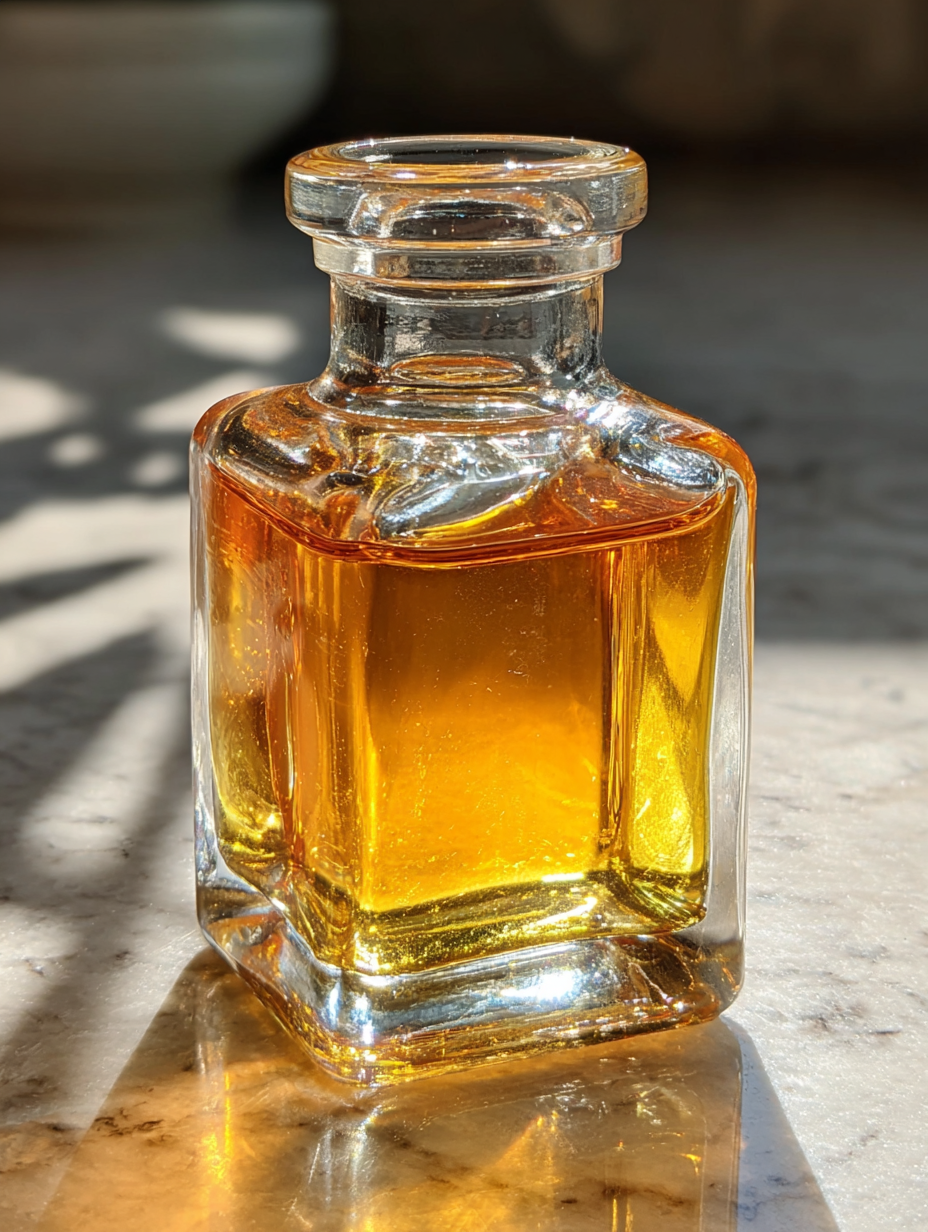
If you’ve ever wondered how to make natural perfume, you’re in the right place. This guide will walk you through the steps of how to make natural perfume, ensuring you create a unique scent that reflects your personality.
This recipe is perfect for anyone looking to embrace their creativity while avoiding synthetic fragrances. Handmade perfumes allow for a personal touch that commercial products simply can’t match. Plus, crafting your own scent can be a fun and rewarding experience.
One of the key benefits of this recipe is that it uses natural ingredients, making it a healthier choice for you and the environment. You’ll also save money in the long run by creating your own signature fragrance at home.
Why Make how to make natural perfume?
Creating your own natural perfume is a fulfilling activity.
- Personalization: You can tailor the scent to match your mood and style.
- Healthier Choice: Natural ingredients reduce exposure to synthetic chemicals.
- Cost-Effective: Once you have the basic supplies, making your own perfume is economical.
- Creative Outlet: Experimenting with different scents can spark your creativity.
History and Origin of how to make natural perfume
Perfume making dates back thousands of years, with ancient civilizations such as the Egyptians and Mesopotamians using aromatic oils and herbs. Over the centuries, the craft evolved, leading to the complex fragrance industry we know today.
In recent years, the popularity of DIY natural perfumes has surged, as more people seek to create unique scents without synthetic additives. The allure of crafting your own fragrance resonates deeply with the growing trend of sustainability.
People love making it at home because it allows for self-expression and mastery over the ingredients used in their personal care products.
Ingredients for how to make natural perfume
Gather these essential ingredients to create your own natural perfume.
- 1 oz carrier oil (like jojoba or sweet almond oil)
- 15-30 drops essential oils (choose your favorites)
- 1 tsp vodka or grain alcohol
- 1-2 tsp distilled water
- 1 small glass perfume bottle
- Optional: dried flowers or herbs for infusion
According to experts at Healthline, these ingredients provide valuable nutritional value.
How to Choose the Best Ingredients
Choosing quality ingredients is crucial for a successful scent.
- Essential Oils: Opt for organic and pure essential oils for the best aroma and skin compatibility.
- Carrier Oils: Select carrier oils with a mild scent like jojoba or sweet almond to complement your fragrance.
- Alcohol: Use high-proof vodka or grain alcohol to preserve the scent and help it last longer.
How to Make how to make natural perfume Step by Step
Follow these simple steps to create your own natural perfume.
- Start by combining the carrier oil and essential oils in a small glass bottle.
- Add the vodka or grain alcohol to the mixture.
- Stir gently to blend the ingredients thoroughly.
- Incorporate distilled water for dilution as desired.
- Seal the bottle and shake well to combine.
- Let the perfume sit for at least 48 hours to allow the scents to meld.
- After steeping, test the scent and adjust by adding more essential oils if needed.
- Store your natural perfume in a cool, dark place for optimal preservation.
Check out our full collection of recipes.
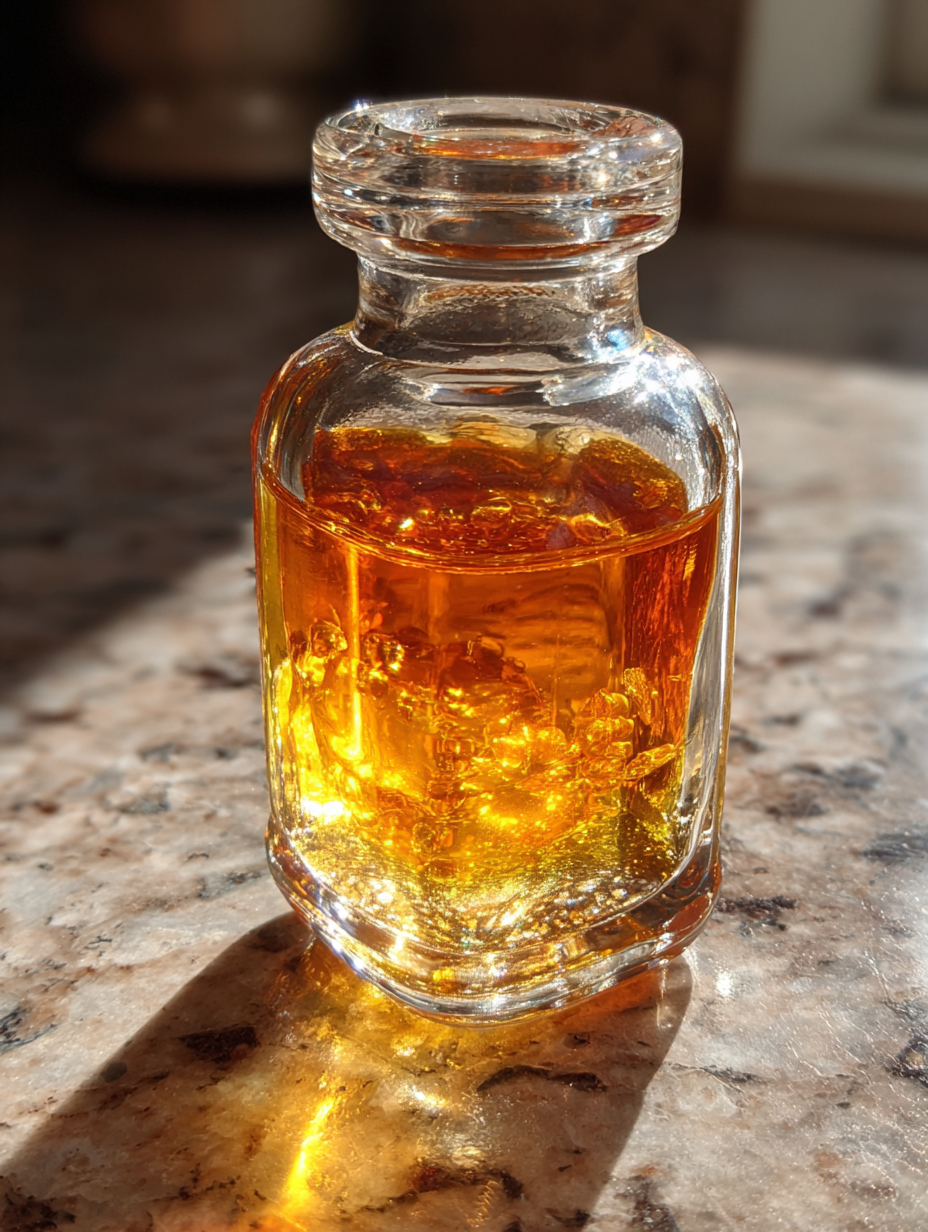
Tips and Tricks for the Best how to make natural perfume
Enhancing your natural perfume-making process can yield delightful results.
- Choose Quality Ingredients: Use high-quality essential oils for the best scent. Natural oils provide more depth and complexity.
- Experiment with Ratios: Adjust the ratio of base, middle, and top notes. This experimentation helps you find a unique fragrance blend.
- Let It Mature: Allow your blend to sit for a few days after mixing. This maturation process helps the scents to meld beautifully.
- Test on Skin: Always test your perfume on your skin before finalizing the scent. Body chemistry alters how fragrances smell when applied.
- Store Properly: Keep your natural perfume in a cool, dark place. Proper storage preserves the integrity of the essential oils.
Variations and Serving Ideas
Consider adding floral notes like jasmine or lavender for a romantic touch. Citrus notes such as lemon or orange provide a refreshing scent.
For a warm, earthy fragrance, incorporate sandalwood and patchouli. These variations can create a unique signature scent.
Try blending spices like cinnamon or clove for an exotic aroma. Such additions can enhance the complexity of your natural perfume.
Seasonal Variations
In spring and summer, opt for light and floral scents like rose or bergamot. These fragrances evoke freshness and vitality.
During autumn, consider warm and spicy notes like nutmeg or cedarwood. These scents create a cozy and inviting atmosphere.
In winter, rich and deep fragrances like vanilla and frankincense are ideal. They provide warmth and comfort during the colder months.
Making It for Kids and Family
Kids love the fun of creating their own scents with you. Involving them can make the process educational and enjoyable.
To adapt for children, use gentle essential oils like chamomile or sweet orange. These scents are safe and pleasing for younger noses.
Storage and Reheating
Store your natural perfume in glass bottles to maintain quality. Dark glass helps protect the fragrance from light degradation.
Reheating is unnecessary for natural perfumes. Just shake gently before using to mix any settled oils.
Nutrition Facts (per serving)
- Calories: 0 kcal
- Protein: 0g
- Carbohydrates: 0g
- Fat: 0g
- Fiber: 0g
- Sugar: 0g
- Sodium: 0mg
Frequently Asked Questions About how to make natural perfume
What is the best way to learn how to make natural perfume?
Start by researching essential oils and their properties. Experiment with different combinations to discover your perfect blend.
Can I use fragrance oils instead of essential oils for how to make natural perfume?
Yes, but essential oils are more natural and often preferred for health reasons. They provide therapeutic benefits as well.
How long does homemade natural perfume last?
When stored properly, natural perfume can last for several months. Always check for any changes in scent or clarity.
Is it safe to make natural perfume for sensitive skin?
Yes, but always conduct a patch test first. Some essential oils may cause irritation in sensitive individuals.
What are the best containers for how to make natural perfume?
Glass containers are ideal as they do not react with essential oils. Dark glass bottles also help preserve the scent.
Conclusion
Understanding how to make natural perfume is a rewarding experience that enhances your creativity. With the right ingredients and techniques, you can craft a unique fragrance that reflects your personality. Now that you know how to make natural perfume, why not start your own perfume-making journey today?
See also our other recipes.
Print
how to make natural perfume: the best essential oil blend recipe
- Total Time: 30
- Yield: 1 serving
Description
Creating your own natural perfume allows for a personal touch and a unique scent that reflects your personality, all while avoiding synthetic fragrances.
Ingredients
- high-quality essential oils
- carrier oil
Instructions
- Choose your base, middle, and top notes from essential oils.
- Mix the oils in desired ratios and let the blend mature for a few days.
Notes
- Always test your perfume on your skin before finalizing the scent.
- Prep Time: 30
- Category: recipes
- Method: mixing
- Cuisine: n/a
Nutrition
- Serving Size: 1 serving (50g)
- Calories: 0
- Sugar: 0
- Sodium: 0
- Fat: 0
- Saturated Fat: 0
- Unsaturated Fat: 0
- Trans Fat: 0
- Carbohydrates: 0
- Fiber: 0
- Protein: 0
- Cholesterol: 0
Keywords: natural perfume, DIY fragrance, essential oils, homemade perfume, sustainable scents