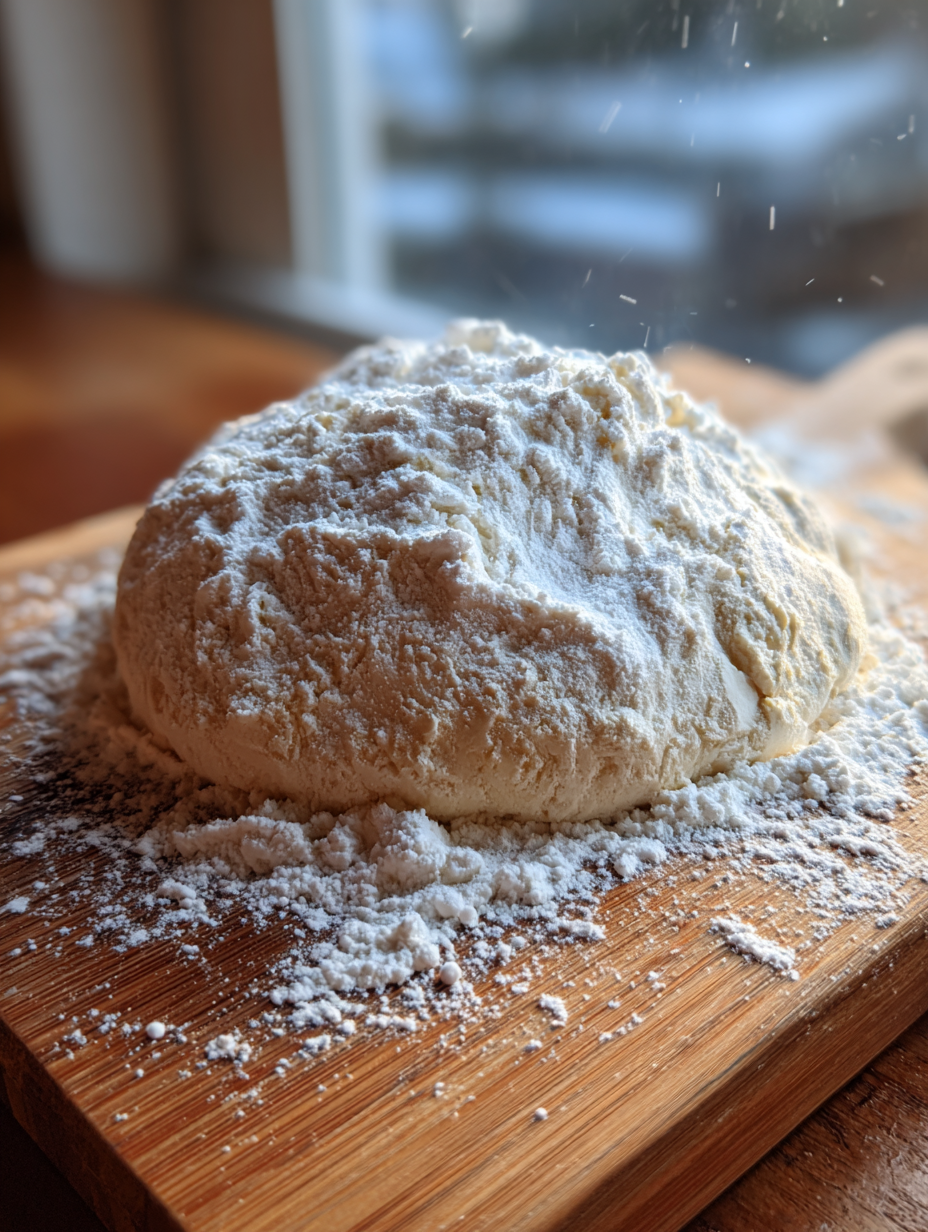
If you’ve ever wondered how to make self rising flour, you’re in the right place. This simple guide will show you how to make self rising flour and elevate your baking game without the need for store-bought mixes.
This recipe is perfect for home bakers looking to simplify their ingredient list. With just a few pantry staples, you can create your very own self-rising flour. It’s a fantastic way to ensure freshness and quality in your baking.
The key benefit of this method is the ability to customize your flour blend according to your taste and dietary needs. Making self-rising flour at home allows you to control the ingredients, ensuring you avoid any additives or preservatives.
Why Make how to make self rising flour?
This method is incredibly convenient for any home cook.
- Cost-effective: Making your own flour can save you money in the long run.
- Customizable: Adjust the ratio of baking powder and salt to fit your recipes.
- Freshness: Homemade flour is fresher than store-bought options.
- Healthier: You can choose unbleached flour or whole grain options for added nutrition.
History and Origin of how to make self rising flour
Self-rising flour has its roots in the 19th century, emerging as a convenient alternative for bakers. It was developed to simplify the baking process, eliminating the need for separate leavening agents.
As baking became more popular, self-rising flour gained traction in households and professional kitchens alike. Today, it remains a staple for quick breads, pancakes, and more.
People love making how to make self rising flour at home because it allows for greater control over ingredients, resulting in a better baking experience.
Ingredients for how to make self rising flour
You’ll need just three ingredients to create your own self-rising flour at home.
- 1 cup all-purpose flour
- 1 ½ teaspoons baking powder
- ½ teaspoon salt
According to experts at Healthline, these ingredients provide valuable nutritional value.
How to Choose the Best Ingredients
Choosing quality ingredients is essential for the best results.
- Flour: Opt for all-purpose flour that is unbleached for better flavor.
- Baking Powder: Ensure your baking powder is fresh for proper leavening.
- Salt: Use fine salt for even distribution throughout the flour.
How to Make how to make self rising flour Step by Step
Follow these simple steps to create your own self-rising flour.
- Measure 1 cup of all-purpose flour into a mixing bowl.
- Add 1 ½ teaspoons of baking powder to the flour.
- Sprinkle in ½ teaspoon of salt.
- Use a whisk to combine the ingredients thoroughly.
- Ensure there are no lumps in the mixture.
- Store the self-rising flour in an airtight container.
- Label the container with the date for freshness.
- Use it in place of regular flour in your favorite recipes.
Check out our full collection of recipes.
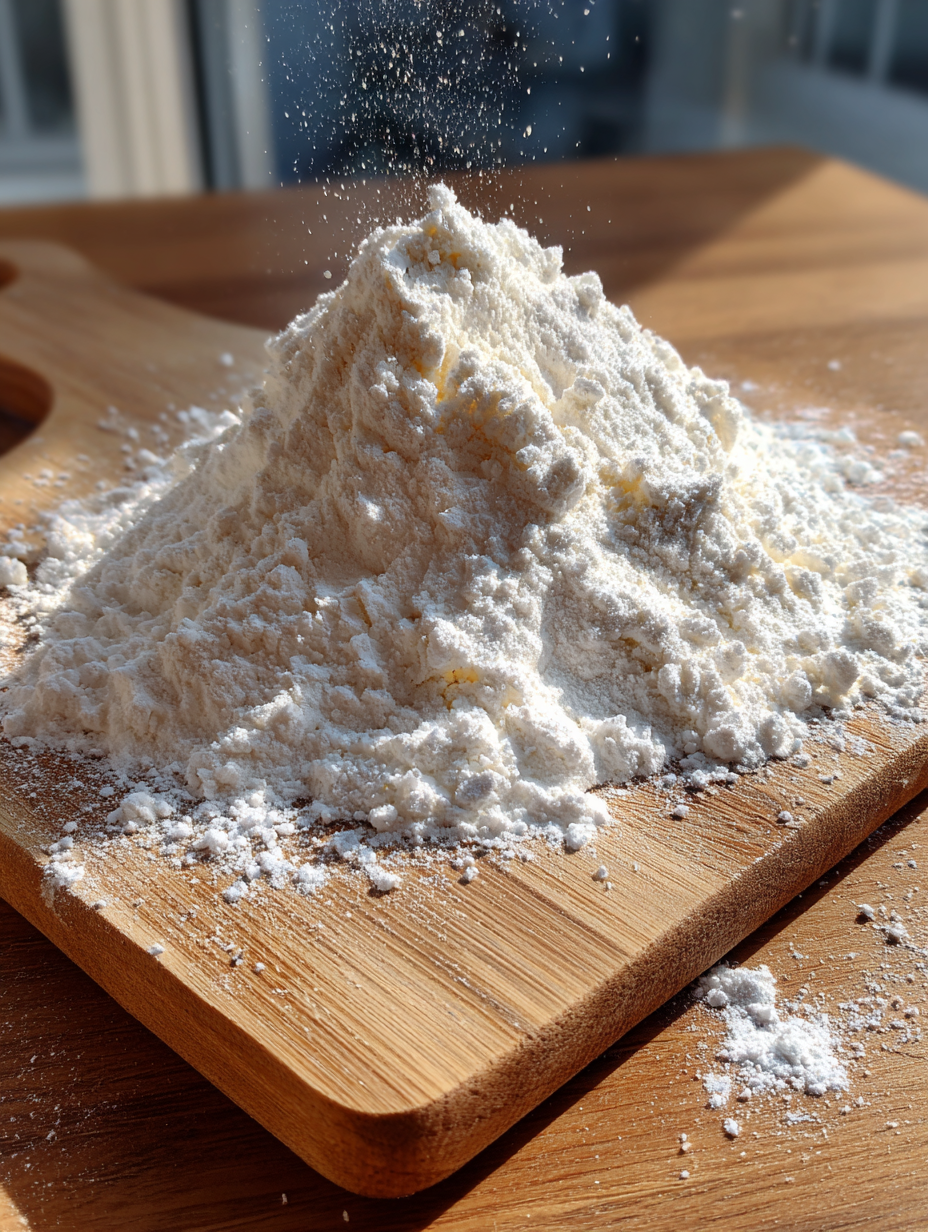
Tips and Tricks for the Best how to make self rising flour
Creating the perfect self-rising flour is simple with these helpful tips.
- Use fresh ingredients: Always check the expiration dates on your baking powder and flour. Fresh ingredients yield the best results in baking.
- Mix thoroughly: Ensure that the baking powder is evenly distributed throughout the flour. This prevents uneven rising in your baked goods.
- Adjust for humidity: In humid climates, you may need to reduce the amount of baking powder slightly. This helps prevent your flour from clumping together.
- Store properly: Keep your self-rising flour in an airtight container. This will help maintain its freshness and effectiveness.
- Test for freshness: If unsure about the potency of your baking powder, perform a quick freshness test. Mix a teaspoon of baking powder with hot water; it should fizz immediately.
Variations and Serving Ideas
For a gluten-free option, substitute all-purpose flour with a gluten-free blend. This adaptation allows those with dietary restrictions to enjoy baked goods.
For a flavored twist, consider adding herbs or spices to your self-rising flour mix. This can enhance the taste of your baked products, like savory scones.
Incorporate nutritional yeast for a cheesy flavor in your self-rising flour recipes. This is especially great for vegan dishes, adding depth and richness.
Seasonal Variations
In spring and summer, add lemon zest to your self-rising flour for a refreshing citrus flavor. This brightens up your baked goods, making them perfect for warm weather.
For autumn, consider incorporating pumpkin spice into your self-rising flour. This adds warmth and seasonal flavor to your baked treats.
During winter, try using cocoa powder in your self-rising flour for rich chocolatey recipes. This is ideal for festive desserts and cozy baking sessions.
Making It for Kids and Family
Kids love self-rising flour because it can create fluffy pancakes and fun baked goods. These treats are visually appealing and delicious.
To adapt recipes for kids, involve them in the mixing process. This makes cooking a fun family activity and encourages their interest in food preparation.
Storage and Reheating
Store your self-rising flour in a cool, dry place in an airtight container. This keeps it fresh for an extended period, usually up to six months.
When reheating baked goods made with self-rising flour, use an oven to maintain their texture. Microwave reheating can lead to sogginess.
Nutrition Facts (per serving)
- Calories: 110 kcal
- Protein: 3g
- Carbohydrates: 23g
- Fat: 0.5g
- Fiber: 1g
- Sugar: 0g
- Sodium: 230mg
Frequently Asked Questions About how to make self rising flour
What is the best ratio for how to make self rising flour?
The standard ratio is one cup of flour to one and a half teaspoons of baking powder and a pinch of salt.
Can I make how to make self rising flour without baking powder?
Without baking powder, self-rising flour won’t rise properly. Baking powder is essential for leavening.
How long can I store self rising flour?
You can store self-rising flour for up to six months when kept in an airtight container.
Can I use self rising flour for bread?
While self-rising flour can be used for quick breads, it’s not ideal for yeast breads, which require precise measurements and the yeast to rise.
Is there a gluten-free option for how to make self rising flour?
Yes, you can make gluten-free self-rising flour using gluten-free all-purpose flour and the same ratio of baking powder and salt.
Conclusion
Learning how to make self rising flour is a valuable skill that simplifies your baking process. With just a few ingredients, you can create a versatile flour mix that elevates your recipes. Get started today and enjoy your delicious baked creations!
See also our other recipes.
Print
how to make self rising flour: the easy homemade method
- Total Time: 5
- Yield: 10 servings 1x
Description
Making self-rising flour at home is a simple and cost-effective way to elevate your baking without the need for store-bought mixes. With just a few pantry staples, you can ensure freshness and customize your flour blend to fit your dietary needs.
Ingredients
- 1 cup all-purpose flour
- 1 1/2 teaspoons baking powder
- 1/2 teaspoon salt
Instructions
- In a mixing bowl, combine the all-purpose flour, baking powder, and salt.
- Mix thoroughly until all ingredients are evenly distributed.
Notes
- Always use fresh ingredients for the best results.
- Prep Time: 5
- Category: recipes
- Method: mixing
- Cuisine: American
Nutrition
- Serving Size: 1 serving (120g)
- Calories: 400
- Sugar: 0
- Sodium: 500
- Fat: 1
- Saturated Fat: 0
- Unsaturated Fat: 1
- Trans Fat: 0
- Carbohydrates: 80
- Fiber: 3
- Protein: 10
- Cholesterol: 0
Keywords: self rising flour, homemade flour, baking