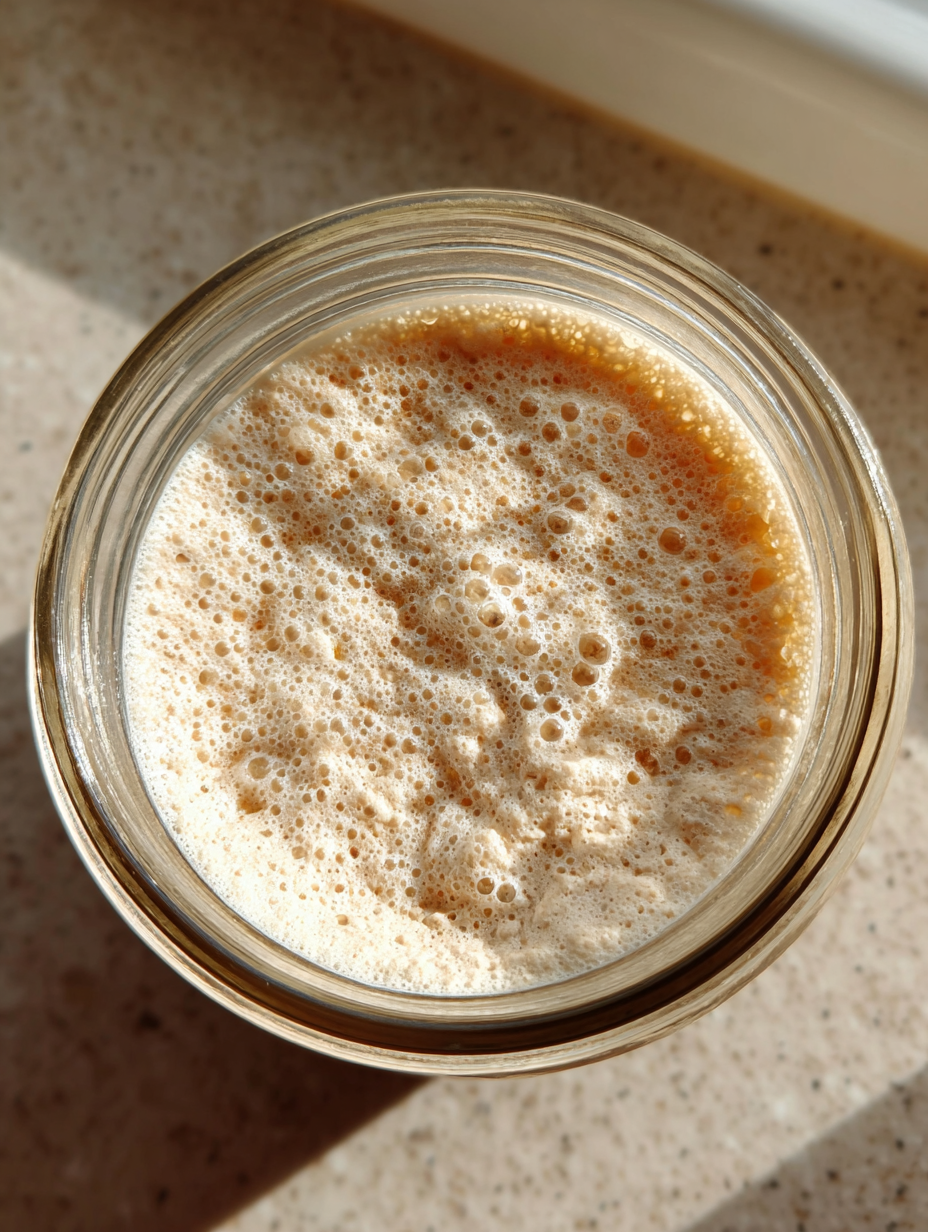
Are you ready to dive into the world of artisanal bread-making? Learning how to make a sourdough starter is the first step toward baking delicious homemade bread. This guide will walk you through the simple process of how to make a sourdough starter.
This recipe is perfect for both beginners and seasoned bakers looking to enhance their bread-making skills. With just a few ingredients and some patience, you can create a thriving sourdough starter that yields flavorful loaves.
The key benefit of this recipe is that it allows you to cultivate wild yeast and bacteria, resulting in bread with a unique taste and texture. Plus, homemade sourdough is often more digestible and nutritious than store-bought versions.
Why Make how to make a sourdough starter?
Making a sourdough starter at home is rewarding and straightforward.
- Better flavor: Sourdough bread has a complex flavor profile that comes from the fermentation process, making it more enjoyable.
- Health benefits: It contains beneficial bacteria and is easier to digest due to the fermentation of gluten.
- Cost-effective: Creating your own starter saves money compared to buying commercial yeast and bread.
- Creative control: You can experiment with different flours and feeding schedules to develop your unique starter.
History and Origin of how to make a sourdough starter
The history of sourdough dates back thousands of years, with evidence of its use in ancient Egypt. People relied on natural fermentation processes to leaven their bread long before commercial yeast was available.
Over the centuries, sourdough has become a staple in many cultures around the world, particularly in regions where wild yeast is abundant. As people began to appreciate the art of bread-making, sourdough gained popularity for its rich flavor and texture.
Home bakers love making it because it connects them to tradition and allows for creativity in the kitchen.
Ingredients for how to make a sourdough starter
To create your own sourdough starter, you’ll need just a few simple ingredients.
- 1 cup all-purpose flour
- 1 cup whole wheat flour
- 1 cup water (filtered or distilled)
- 1 tablespoon sugar or honey (optional)
- 1 clean glass jar or container
- 1 kitchen towel or cheesecloth
According to experts at Healthline, these ingredients provide valuable nutritional value.
How to Choose the Best Ingredients
Selecting high-quality ingredients is essential for a successful sourdough starter.
- Flour quality: Choose unbleached and organic flours for better yeast activity and flavor.
- Water purity: Use filtered or distilled water, as chlorine in tap water can hinder yeast growth.
- Optional sweeteners: Adding sugar or honey can kick-start the fermentation process, but it’s not necessary.
How to Make how to make a sourdough starter Step by Step
Follow these simple steps to create your own sourdough starter.
- In a clean glass jar, combine 1/2 cup all-purpose flour and 1/2 cup water. Stir until smooth.
- Cover the jar with a kitchen towel or cheesecloth to allow airflow while keeping contaminants out.
- Let the mixture sit at room temperature for 24 hours.
- After 24 hours, check for bubbles. If none, wait another day.
- Add 1/2 cup whole wheat flour and 1/2 cup water to the jar. Mix well.
- Repeat this feeding process every 24 hours for about 5-7 days.
- Once the starter is bubbly and has doubled in size, it is ready to use.
- Store the starter in the refrigerator if not using immediately, feeding it weekly.
Check out our full collection of recipes.
Tips and Tricks for the Best how to make a sourdough starter
Creating a successful sourdough starter can be a rewarding journey. Here are some tips to ensure your starter thrives.
- Use high-quality flour: The type of flour you choose can significantly affect your starter. Organic whole wheat or rye flour often yields better results due to higher nutrient content.
- Maintain consistent temperature: Sourdough starters thrive in warm environments. Ideally, keep your starter in a location between 70°F and 75°F for optimal fermentation.
- Feed your starter regularly: Regular feedings are crucial for maintaining a healthy starter. Every 12 to 24 hours, discard half and add equal parts flour and water to keep it active.
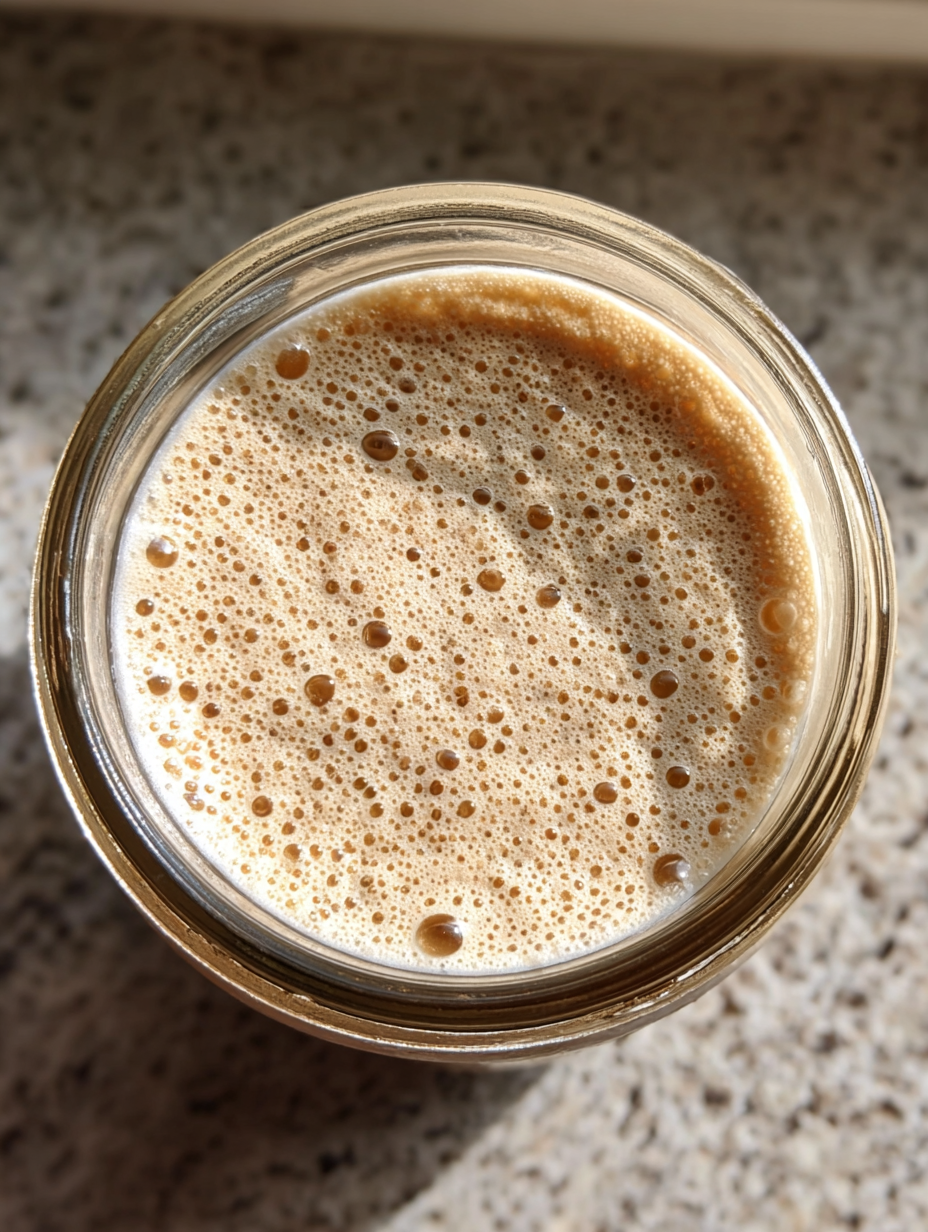
- Watch for bubbles: The presence of bubbles indicates that your starter is fermenting well. This is a sign that it’s ready to be used in your baking.
- Be patient: Developing a strong sourdough starter takes time. It may take several days or weeks to reach peak performance, so don’t rush the process.
Variations and Serving Ideas
For a unique twist, try using different types of flour in your sourdough starter. Spelt and einkorn flours can add distinct flavors.
Consider adding herbs or spices to your bread for an enhanced taste experience. Rosemary or garlic can elevate your sourdough creations.
Pair your sourdough bread with various toppings like avocado, smoked salmon, or homemade spreads for a delightful meal.
Seasonal Variations
In spring and summer, incorporate fresh herbs or vegetables into your sourdough. Basil or sun-dried tomatoes can brighten the flavor.
During autumn, pumpkin puree or spices like cinnamon can create a seasonal delight. This variation is perfect for holiday gatherings.
In winter, try adding dried fruits or nuts to your sourdough for a cozy twist. Walnuts or cranberries can warm up any chilly day.
Making It for Kids and Family
Kids love the fun of watching the bubbles develop in the sourdough starter. It’s a great way to teach them about fermentation.
To adapt the recipe for family-friendly flavors, consider adding chocolate chips or cinnamon sugar. This makes sourdough more appealing to younger palates.
Storage and Reheating
Store your sourdough starter in the refrigerator if you’re not using it daily. Make sure it’s in a clean, sealed container to avoid contamination.
When you want to use your starter, simply take it out and feed it. Allow it to become active before incorporating it into your recipes.
Nutrition Facts (per serving)
- Calories: 50 kcal
- Protein: 1g
- Carbohydrates: 11g
- Fat: 0g
- Fiber: 1g
- Sugar: 0g
- Sodium: 1mg
Frequently Asked Questions About how to make a sourdough starter
What is the best flour to use for how to make a sourdough starter?
The best flour includes whole wheat or rye due to their nutrient richness. These flours help promote healthy yeast growth.
How long does it take to create a sourdough starter?
Typically, it takes about 5 to 14 days to develop a strong sourdough starter. Patience is key in this process.
Can I use tap water for my sourdough starter?
It’s best to use filtered or bottled water. Tap water may contain chlorine, which can hinder yeast development.
How often should I feed my sourdough starter?
Feed your sourdough starter every 12 to 24 hours if kept at room temperature. Less frequent feedings are acceptable when stored in the fridge.
What should I do if my sourdough starter smells bad?
If your starter develops an off-putting smell, it may be a sign of spoilage. Discard it and start over to ensure safety.
Conclusion
Learning how to make a sourdough starter is an exciting and rewarding process. By following these tips, you can create a healthy starter that enhances your baking. So, dive into your sourdough journey and enjoy the delicious results of how to make a sourdough starter.
See also our other recipes.
Print
how to make a sourdough starter: the ultimate guide for beginners
- Total Time: 7
- Yield: 1 starter 1x
Description
Creating a sourdough starter is the essential first step in baking delicious homemade bread, allowing you to cultivate wild yeast for unique flavors and textures.
Ingredients
- 100g flour
- 100g water
Instructions
- Combine 100g of flour and 100g of water in a clean jar.
- Stir until well mixed and cover loosely with a lid or cloth.
Notes
- Use quality flour for the best results.
- Prep Time: 10
- Category: recipes
- Method: fermentation
- Cuisine: baking
Nutrition
- Serving Size: 1 serving (100g)
- Calories: 50
- Sugar: 0
- Sodium: 0
- Fat: 0
- Saturated Fat: 0
- Unsaturated Fat: 0
- Trans Fat: 0
- Carbohydrates: 10
- Fiber: 0
- Protein: 1
- Cholesterol: 0
Keywords: sourdough, starter, baking, bread, fermentation