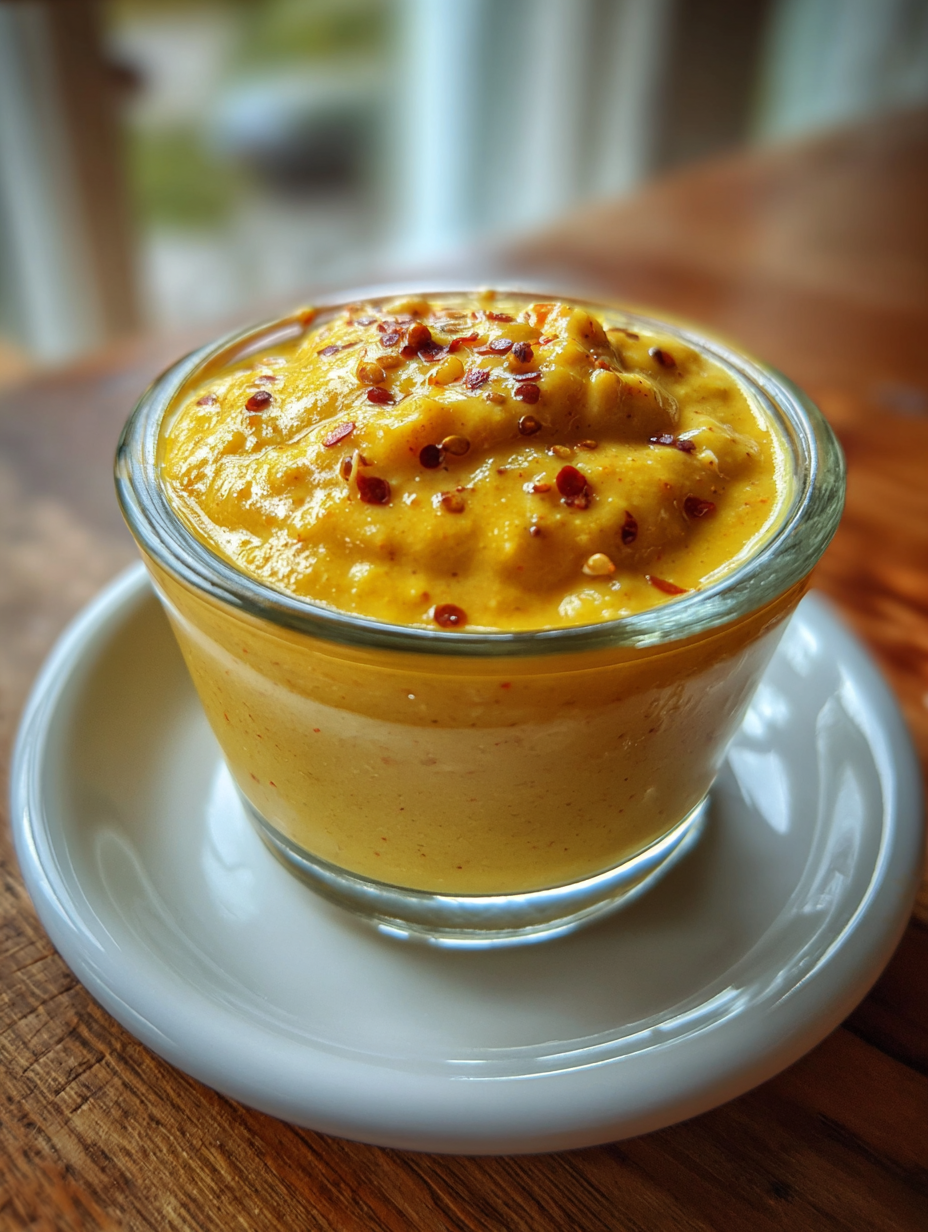
If you’ve ever wondered how to make homemade mustard, you’re in for a treat. This guide will show you how to make homemade mustard that’s not only simple but also delicious, perfect for enhancing your meals.
Mustard is a staple condiment that adds flavor to sandwiches, salads, and more. Making it at home allows you to customize the taste and choose the ingredients, ensuring freshness and quality.
This recipe is perfect for those who appreciate bold flavors and want to explore the art of condiment creation. With just a few ingredients, you can impress your family and friends with your culinary skills.
Why Make how to make homemade mustard?
Homemade mustard is a game changer for any meal.
- Customization: You can adjust the heat level and flavor profile to suit your taste preferences.
- Freshness: Making it at home ensures that your mustard is fresh and free from preservatives.
- Cost-effective: Homemade mustard is often cheaper than store-bought varieties, especially for gourmet options.
- Creative outlet: It allows you to experiment with different spices and flavors, making it a fun kitchen project.
History and Origin of how to make homemade mustard
Mustard has a rich history that dates back thousands of years, with origins in ancient civilizations such as the Romans and Greeks. They used mustard seeds for both culinary and medicinal purposes.
As mustard spread across Europe, different regions developed their own unique styles, resulting in the diverse mustard varieties we enjoy today. Homemade mustard has gained popularity as people seek to recreate these traditional flavors in their kitchens.
Many enjoy making mustard at home because it allows for a personal touch, making every batch unique and tailored to individual tastes.
Ingredients for how to make homemade mustard
Gathering the right ingredients is crucial for crafting the perfect mustard.
- 1/2 cup yellow mustard seeds
- 1/4 cup white wine vinegar
- 1/4 cup water
- 1 tablespoon salt
- 1 tablespoon honey (optional)
- 1 teaspoon ground turmeric (optional)
According to experts at Healthline, these ingredients provide valuable nutritional value.
How to Choose the Best Ingredients
The quality of your ingredients can significantly impact the final flavor of your mustard.
- Mustard seeds: Choose high-quality, whole mustard seeds for the best flavor and texture.
- Vinegar: Opt for organic white wine vinegar for a cleaner taste. Consider experimenting with apple cider vinegar for a different flavor profile.
- Honey: If you prefer a sweeter mustard, use raw honey for added depth and health benefits.
How to Make how to make homemade mustard Step by Step
Follow these steps to create your own homemade mustard.
- Soak the mustard seeds in water for at least 2 hours or overnight for a milder flavor.
- Drain the seeds and transfer them to a blender.
- Add white wine vinegar, water, and salt to the blender.
- Blend until you reach your desired consistency, adding more water if necessary.
- If desired, add honey and ground turmeric for extra flavor and color.
- Taste and adjust seasoning as needed.
- Transfer the mustard to a clean jar and seal tightly.
- Let it sit in the refrigerator for at least 24 hours to allow the flavors to meld.
Check out our full collection of recipes.
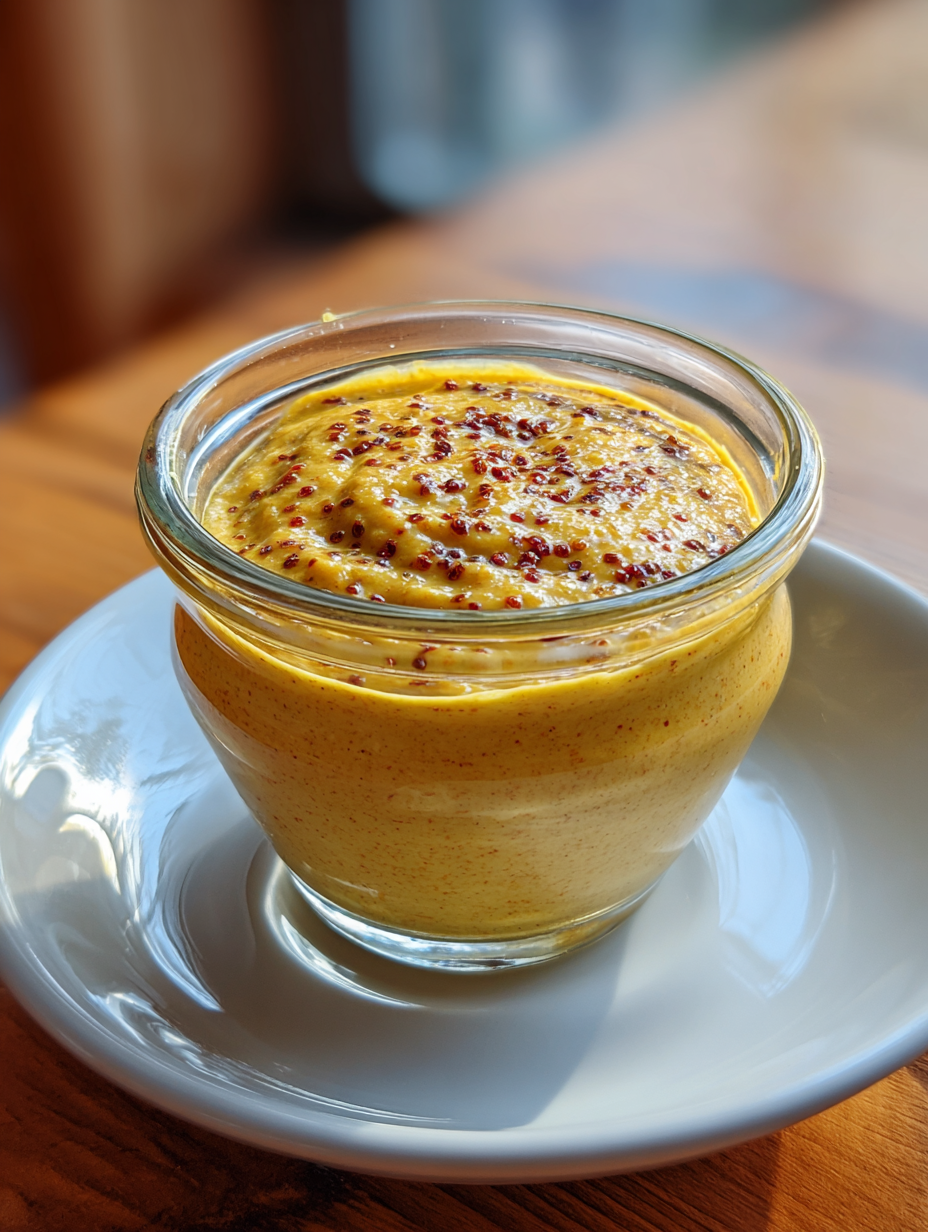
Tips and Tricks for the Best how to make homemade mustard
Creating the perfect homemade mustard requires attention to detail. Here are some essential tips to elevate your mustard-making experience.
- Choose Quality Seeds: High-quality mustard seeds make a significant difference. Opt for fresh, organic seeds for the best flavor.
- Experiment with Vinegars: Different types of vinegar can change the taste profile. Try apple cider vinegar for a fruity kick or white wine vinegar for a sharper tang.
- Adjust the Consistency: If your mustard is too thick, add a little water or vinegar. For a creamier texture, blend with olive oil.
- Give It Time: Let your mustard sit for at least 24 hours before using. This resting period enhances the flavor and mellows the heat.
- Store Properly: Keep your homemade mustard in a sealed jar in the fridge. Proper storage helps maintain its freshness and flavor.
Variations and Serving Ideas
For a spicy twist, try adding horseradish to your mustard mix. This addition will enhance the heat and flavor profile.
For a sweet variation, mix in honey or maple syrup to create a delightful honey mustard. It pairs beautifully with salads and sandwiches.
Infuse flavors by adding herbs or spices like dill or garlic. These additions can elevate your homemade mustard to new heights.
Seasonal Variations
In spring and summer, consider incorporating fresh herbs like basil or cilantro. These herbs add a refreshing note to your mustard.
In the autumn, add roasted garlic or smoked paprika for a warm, cozy flavor. This is perfect for fall barbecues and gatherings.
Winter can be a time for richer flavors, so try adding spices like cinnamon or cloves. These spices can create a unique mustard perfect for holiday meals.
Making It for Kids and Family
Kids often love mustard for its tangy flavor, especially when paired with hot dogs or pretzels. Homemade mustard can be a fun addition to family meals.
To adapt the recipe for kids, consider reducing the acidity by using milder vinegars. This will create a gentler flavor that is more appealing to younger palates.
Storage and Reheating
Store your homemade mustard in a clean, airtight jar in the fridge. It can last for several months if stored properly.
Reheating is not typically necessary for mustard, but if desired, do so gently in a saucepan on low heat. This helps maintain its flavor and consistency.
Nutrition Facts (per serving)
- Calories: 20 kcal
- Protein: 1g
- Carbohydrates: 2g
- Fat: 0g
- Fiber: 0g
- Sugar: 0g
- Sodium: 110mg
Frequently Asked Questions About how to make homemade mustard
What ingredients do I need to know how to make homemade mustard?
You will need mustard seeds, vinegar, water, and salt. Optional ingredients can include honey, herbs, or spices for flavor.
Can I customize the heat level when I learn how to make homemade mustard?
Yes! The type of mustard seeds and the amount of vinegar can significantly influence the heat level. Adjust according to your taste preference.
How long does homemade mustard last?
Homemade mustard can last up to six months when stored properly in the refrigerator. Always check for freshness before use.
Can I use any type of vinegar?
Yes, you can experiment with various types of vinegar. Each type will impart a different flavor to your mustard.
Is homemade mustard healthier than store-bought?
Homemade mustard typically contains fewer preservatives and additives. You can control the ingredients, making it a healthier option.
Conclusion
Learning how to make homemade mustard can be a rewarding culinary adventure. With the right ingredients and techniques, you can create a mustard that perfectly suits your taste. Don’t hesitate to experiment and make it your own!
Try it out today and see how easy it is to learn how to make homemade mustard. You’ll love the unique flavor it adds to your dishes!
See also our other recipes.
Print
how to make homemade mustard: a simple and delicious recipe
- Total Time: 10
- Yield: 10 servings 1x
Description
Homemade mustard is a simple and delicious condiment that allows you to customize flavors and enjoy freshness without preservatives. It’s perfect for enhancing your meals and impressing your guests.
Ingredients
- 1/2 cup mustard seeds
- 1/2 cup vinegar
- 1/2 cup water
- 1 teaspoon salt
Instructions
- Combine mustard seeds, vinegar, and water in a bowl and let it sit for 2 days to soften the seeds.
- Blend the mixture until you reach your desired consistency, then stir in salt.
Notes
- Allowing your mustard to sit for a few days helps the flavors meld.
- Prep Time: 10
- Category: recipes
- Method: no-cook
- Cuisine: American
Nutrition
- Serving Size: 1 serving (10g)
- Calories: 15
- Sugar: 0
- Sodium: 5
- Fat: 1
- Saturated Fat: 0
- Unsaturated Fat: 1
- Trans Fat: 0
- Carbohydrates: 1
- Fiber: 0
- Protein: 0
- Cholesterol: 0
Keywords: mustard, homemade, condiment, recipe, cooking