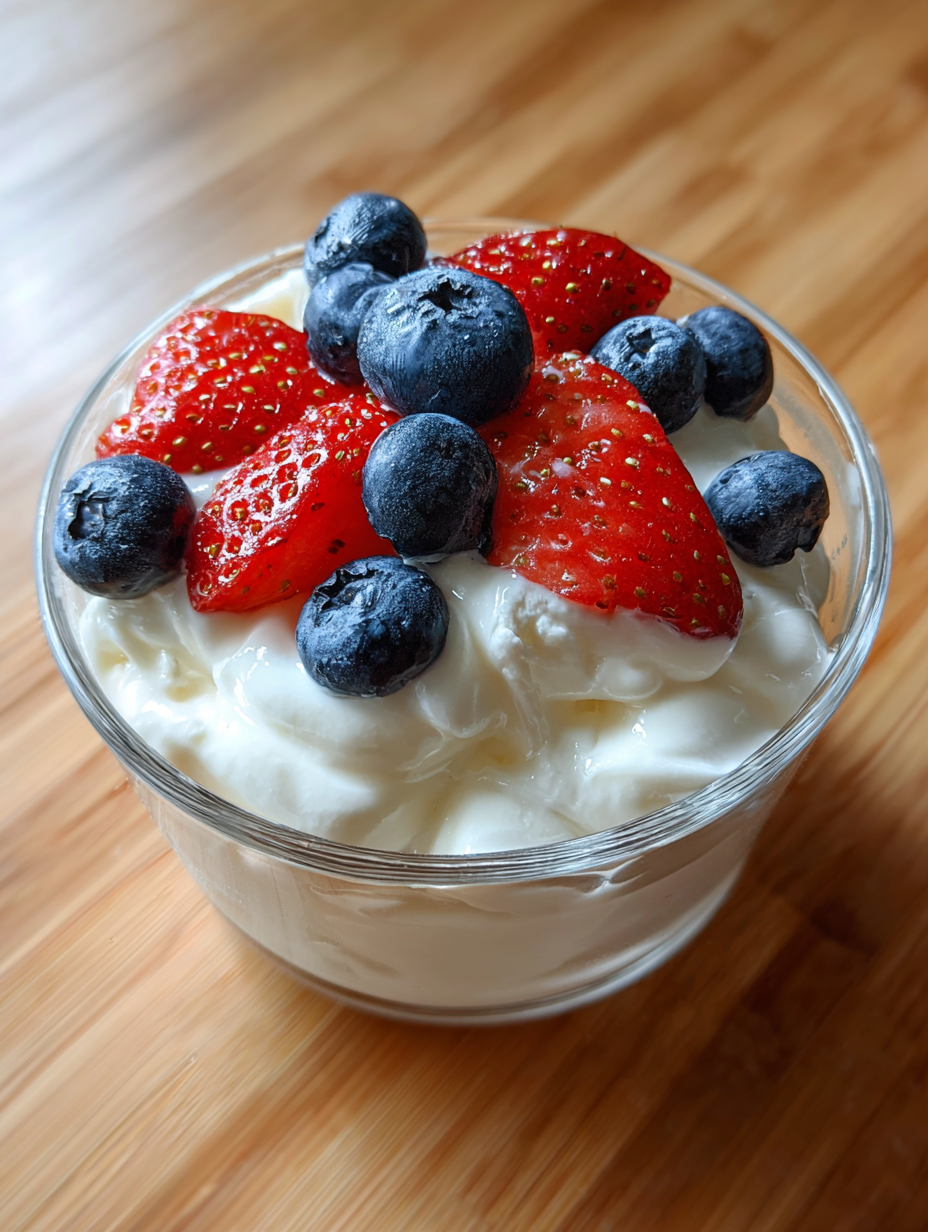
If you’ve ever wondered how to make yogurt at home, you’re in for a delightful surprise. Making your own yogurt at home is not only easy but also incredibly rewarding. In this article, we’ll guide you through how to make yogurt at home, ensuring you achieve that perfect creamy texture.
This recipe is perfect for anyone who loves the taste of fresh yogurt but wants to avoid the preservatives found in store-bought options. Plus, it’s a fun and simple process that requires minimal ingredients and equipment. You can customize your yogurt with flavors and add-ins, making it uniquely yours.
One key benefit of this method is that it allows you to control the thickness and tartness of your yogurt. Additionally, homemade yogurt is packed with probiotics, which are beneficial for gut health. It’s a more economical choice, too, as a little goes a long way.
Why Make how to make yogurt at home?
Homemade yogurt offers numerous advantages over store-bought varieties.
- Freshness: You can enjoy yogurt that is freshly made, enhancing the flavor and texture.
- Customizability: Tailor the taste and consistency to your liking with various add-ins.
- Health Benefits: Homemade yogurt is rich in probiotics, which support digestive health.
- Cost-Effective: Making yogurt at home can save you money compared to purchasing it regularly from the store.
History and Origin of how to make yogurt at home
The history of yogurt dates back thousands of years, with origins traced to Central Asia. It is believed that nomadic tribes discovered the fermentation process, leading to the creamy product we enjoy today.
Yogurt gained popularity across various cultures, becoming a staple in many diets worldwide. The rise of health consciousness has made homemade yogurt more appealing as people seek natural and preservative-free options.
People love making yogurt at home because it connects them to traditional practices while allowing for creativity in flavors and textures.
Ingredients for how to make yogurt at home
To get started, you’ll need a few simple ingredients.
- 4 cups whole milk
- 1/2 cup plain yogurt (with live cultures)
- 1 tablespoon sugar (optional)
- 1/2 teaspoon vanilla extract (optional)
- 1/4 cup powdered milk (optional for thicker yogurt)
- Equipment: thermometer and a yogurt maker or an insulated container
According to experts at Healthline, these ingredients provide valuable nutritional value.
How to Choose the Best Ingredients
Selecting high-quality ingredients is crucial for the best results.
- Milk: Opt for organic whole milk for a creamier texture and better flavor.
- Yogurt Starter: Choose a yogurt with live active cultures to ensure successful fermentation.
- Optional Ingredients: When using sugar or vanilla, select natural options for enhanced taste.
How to Make how to make yogurt at home Step by Step
Now, let’s dive into the process of making yogurt.
- Heat 4 cups of milk in a saucepan until it reaches 180°F (82°C), then cool it to 110°F (43°C).
- In a separate bowl, mix 1/2 cup of plain yogurt with a bit of the warm milk until smooth.
- Combine the yogurt mixture back into the warm milk, stirring gently.
- Pour the mixture into your yogurt maker or insulated container.
- Keep the mixture warm (around 110°F) for 6-12 hours to ferment.
- Once thickened, transfer the yogurt to the refrigerator to chill for at least 2 hours.
- Serve plain or with your favorite fruits or sweeteners.
- Store leftover yogurt in the fridge for up to 2 weeks.
Check out our full collection of recipes.

Tips and Tricks for the Best how to make yogurt at home
Achieving the perfect homemade yogurt requires attention to detail and a few handy tips.
- Temperature is Key: Ensure your milk is heated to the right temperature, around 180°F. This helps to kill any unwanted bacteria and ensures a smooth texture.
- Choose the Right Starter Culture: Use a quality yogurt with live active cultures. This will significantly affect the flavor and texture of your yogurt.
- Maintain a Consistent Warm Temperature: Keep your yogurt at a steady temperature of about 110°F during incubation. You can use an oven or a yogurt maker for this purpose.
- Let It Set Long Enough: Allow your yogurt to ferment for at least 6-12 hours. The longer it ferments, the thicker and tangier it will become.
- Experiment with Flavors: Once you master the basics, try adding fruits or spices. This can elevate your homemade yogurt and make it even more enjoyable.
Variations and Serving Ideas
For a fruity twist, mix in fresh berries or a spoonful of jam before serving. This adds natural sweetness and enhances the flavor profile.
Try incorporating spices like vanilla or cinnamon for a warm flavor. This can be especially comforting during colder months.
Serve your yogurt with granola for added crunch or use it as a base for smoothies. This makes for a healthy and filling breakfast or snack.
Seasonal Variations
In spring and summer, consider adding fresh fruits like strawberries or peaches. These seasonal fruits add a refreshing touch to your yogurt.
During autumn, try mixing in pumpkin puree and spices for a seasonal treat. This creates a cozy, fall-inspired yogurt.
In winter, mix in some honey and warm spices like nutmeg for a comforting dessert. This can be a delightful way to stay warm on chilly days.
Making It for Kids and Family
Kids love the creamy texture and can help customize their yogurt with toppings. This makes it a fun family activity.
To adapt the recipe, consider sweetening with natural honey or agave syrup. This reduces added sugars and keeps it healthy for children.
Storage and Reheating
Store your homemade yogurt in airtight containers in the refrigerator. This helps maintain its freshness and flavor.
Reheating yogurt is not recommended, as it can change the texture. Instead, enjoy it cold or at room temperature for the best experience.
Nutrition Facts (per serving)
- Calories: 150 kcal
- Protein: 8g
- Carbohydrates: 12g
- Fat: 7g
- Fiber: 0g
- Sugar: 8g
- Sodium: 50mg
Frequently Asked Questions About how to make yogurt at home
What is the best way to learn how to make yogurt at home?
Start with a simple recipe using quality ingredients and follow the steps carefully. Practice will help you perfect your technique.
Can I use any type of milk to make yogurt?
Yes, you can use whole, skim, or even non-dairy milk. Each type will yield a different texture and flavor.
How long does homemade yogurt last?
Homemade yogurt typically lasts about 1-2 weeks in the refrigerator when stored properly. Always check for signs of spoilage before consuming.
Can I freeze homemade yogurt?
Yes, you can freeze yogurt, but the texture may change once thawed. It’s best used in smoothies or cooking after freezing.
Is homemade yogurt healthier than store-bought?
Homemade yogurt is often healthier because you control the ingredients. It typically contains fewer additives and preservatives compared to many store-bought options.
Conclusion
Learning how to make yogurt at home is a rewarding experience that yields delicious results. With a few simple steps and tips, you can enjoy fresh yogurt tailored to your tastes. Start your yogurt-making journey today and discover the joys of how to make yogurt at home.
See also our other recipes.
Print
how to make yogurt at home: the easiest creamy method
- Total Time: 1210
- Yield: 4 servings 1x
Description
Making yogurt at home is a simple and rewarding process that allows you to enjoy fresh, creamy yogurt without preservatives. Customize it with your favorite flavors for a unique treat.
Ingredients
- 1 quart milk
- 2 tablespoons yogurt with live active cultures
Instructions
- Heat the milk to 180°F to kill unwanted bacteria and ensure a smooth texture.
- Cool the milk to about 110°F, then stir in the yogurt starter. Pour into a container and keep at a steady temperature of 110°F for 6-12 hours until thickened.
Notes
- Temperature is key; maintain a consistent warm temperature during incubation.
- Prep Time: 10
- Cook Time: 12
- Category: recipes
- Method: fermentation
- Cuisine: various
Nutrition
- Serving Size: 1 serving (150g)
- Calories: 150
- Sugar: 10
- Sodium: 60
- Fat: 8
- Saturated Fat: 5
- Unsaturated Fat: 3
- Trans Fat: 0
- Carbohydrates: 12
- Fiber: 0
- Protein: 8
- Cholesterol: 30
Keywords: yogurt, homemade, probiotic, creamy, healthy